Blog
Rules of Engagement: What OpenSFF can learn from VPX
Introduction
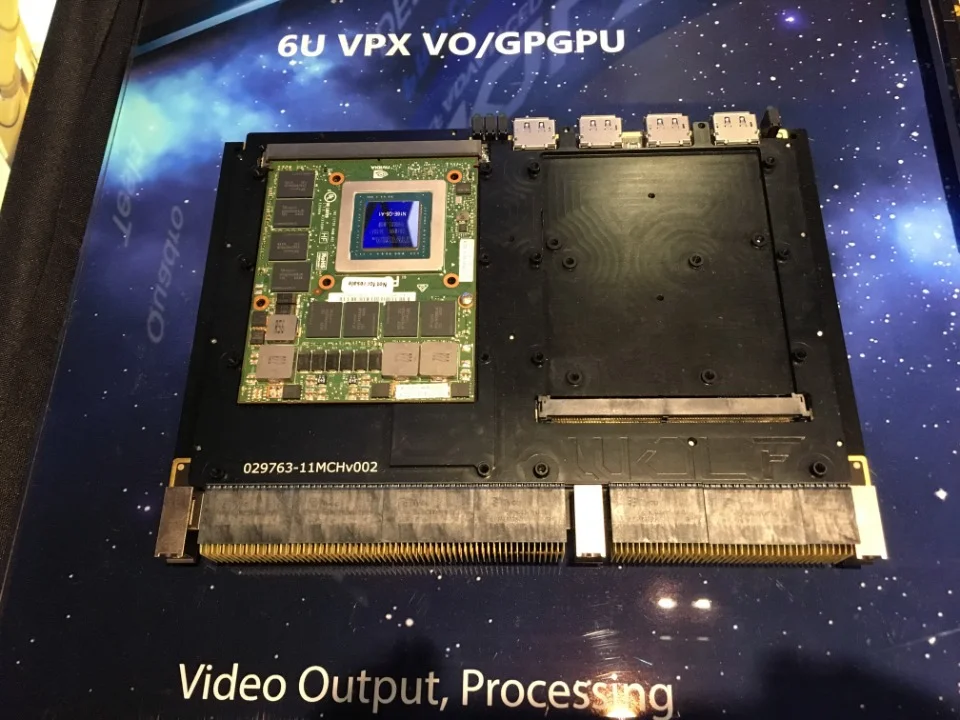
Our reflections on other hardware standards have taken us on a journey across industries. We thought about how OpenSFF can co-exist with motherboard standards, what Intel’s Open Pluggable Specification (OPS) says about what a standard should cover at minimum, and how Data Center Secure Control Module (DC-SCM) proves the benefits of separating management from its host. In this article, we are going to take a look at a family of standards that is crucial to the industries it was designed for, yet will probably be unfamiliar to many vendors and operators outside those industries.
VITA is the nonprofit trade association and standards developer behind VPX and OpenVPX, a set of modular, interoperable architectures that are used in defense and aerospace programs. In particular, its existence is inextricably tied to the US military’s hardware and software. The Open Group’s Sensor Open Systems Architecture (SOSA) is a technical standard that uses OpenVPX to apply the US Department of Defense’s Modular Open Systems Approach (MOSA) policy to the design and acquisition of US military hardware.
But it is not the unique demands of those deployments that we will focus on. Instead, we are interested in what VPX and OpenVPX’s ongoing journey tells us about balancing vendor flexibility with interoperability.
Why VITA created VPX
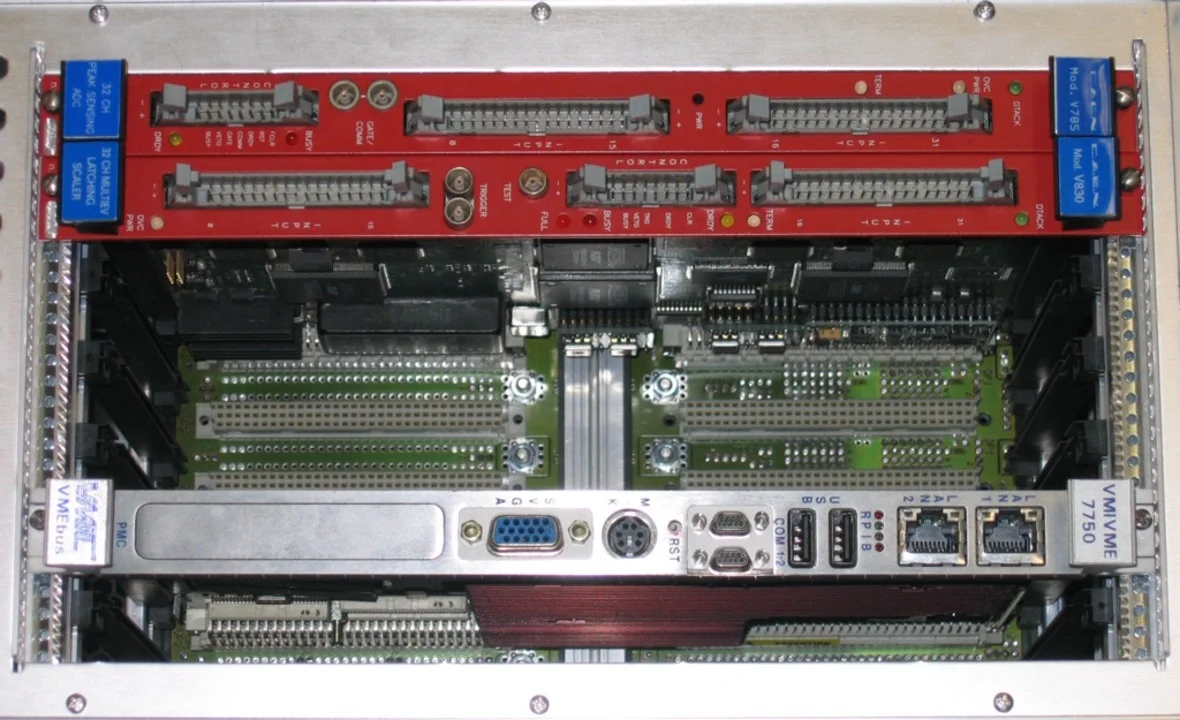
In 1981, the VMEbus Manufacturers Group created an open computing standard called VERSAmodule Eurocard bus (VME). Originally designed for systems based on the Motorola 68000 microprocessor, VME defines a backplane bus that Eurocard modules, cards, or boards use to communicate with one another.
The organization would shortly change its name to the VME International Trade Association, then simply VITA in 2005. Initially defined for commercial off-the-shelf systems, VME became the backbone of defense hardware, so much so that it is still used in the industry today. One vendor executive credits VME’s success to its unambiguity, which greatly helped it establish interoperability.
However, the technology underneath VME eventually lagged behind advancements and its market’s needs. It could not support the signaling rates above 1Gbaud that embedded systems increasingly required. To meet this demand, VITA deliberately developed VPX, aka VITA 46, as a set of mechanical and interface standards that was not backward compatible with VME.
The widespread adoption of VPX
Since VPX’s introduction in 2007, many VME users have moved to VPX and its offshoots, OpenVPX (VITA 65) and SpaceVPX (VITA 78). It is being implemented in network appliances for military aircraft, in signal processors for radar, communications, and electronic warfare, and in instrumentation for the International Space Station. Vendors such as Atrenne also claim that OpenVPX is used in telecommunications, healthcare, and industrial automation.
As we mentioned, VPX has a policy-backed foothold in the US military. Title 10 of the US Code requires major defense acquisition programs to apply MOSA as much as practically possible. MOSA champions modular design, modular interfaces, consensus-based open standards, enabling environments, and conformance certification. SOSA takes that policy and explicitly grounds it in OpenVPX.
Rather than inventing its own form factor, The Open Group SOSA Consortium develops SOSA by adopting a small subset of OpenVPX profiles—around 15% of the 60-plus defined 3U profiles—while adding technical requirements such as pinout overlays. Similar to MOSA, The Open Group maintains SOSA to promote interoperability, modularity, and reusability.
Where VPX fell short
From the outset, it appears that VPX could not meet the longstanding benchmark of interoperability that VME set. Reports about the first batch of VPX products already pointed out that features were being implemented in different ways, causing integration issues. A 2009 Military Embedded Systems editorial listed three main missing components in VPX, at least at the time: backplane interoperability between board vendors, a cohesive system architecture, and a release status for the specification.
In response, aerospace and defense company Mercury Systems founded a working group in 2009 to create OpenVPX. The offshoot tried to fix VPX’s interoperability issues by defining logical planes as well as profiles for the backplane, modules and slots. But critics argue that OpenVPX is still too flexible. A 2023 Military Embedded Systems article from an Atrenne executive says that OpenVPX has too many slot-profile options. Combined with user-defined connector pins, this made it so even Atrenne’s own OpenVPX backplanes are not interoperable.
A 2022 NASA report on SpaceVPX documents similar complaints, stating that OpenVPX modules do not fit in SpaceVPX slots due to differences in wedge lock dimensions. A 2023 NASA report says that two modules can be fully SpaceVPX-compliant but would still be unable to work together. NASA suggested limiting user-defined signals, power distribution schemes, and voltages.
In The Open Group’s PlugFest 2025, where industry and government organizations tested equipment from different vendors, the Army’s C5ISR/EW Modular Open Suite of Standards (CMOSS) Mounted Form Factor (CMFF) group found that third-party cards could fit in an OpenVPX chassis and the system would power on safely, but there were interoperability issues stemming from inconsistent VPX interface implementations and port mismatches. Another test at the event resulted in system reset failures due to voltage mismatches and keying differences between OpenVPX power supplies.
The proposed solution to VPX’s interoperability issues is just as consistent: make the standard narrower. OpenVPX narrowed down VPX, NASA proposed a similar overhaul of SpaceVPX, and SOSA greatly limits the OpenVPX profiles that relevant US military systems can use.
What OpenSFF can learn
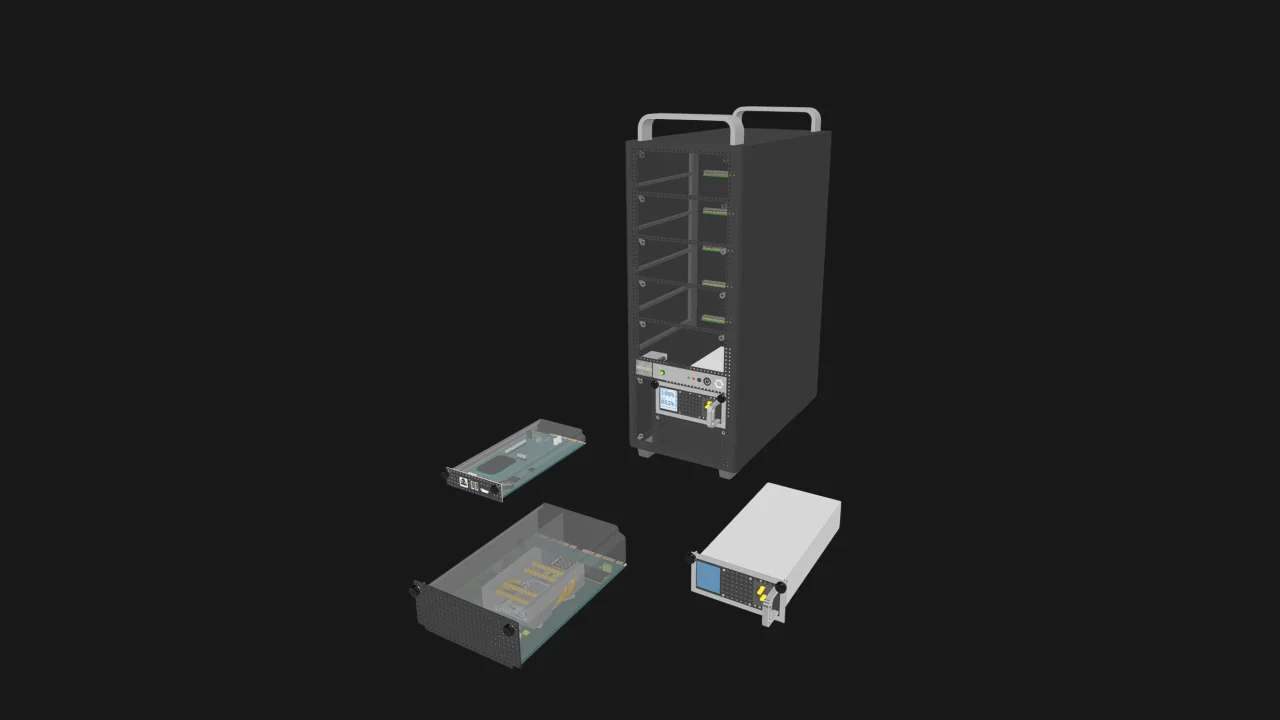
We are a nonprofit organization developing open hardware specifications for modular, vendor-agnostic, and serviceable small form factor systems. Our specifications define three main components: the Compute Node, the Management Module, and the Enclosure. There are five key lessons that our standard can take from VITA’s ongoing efforts.
Define interoperability at the system level
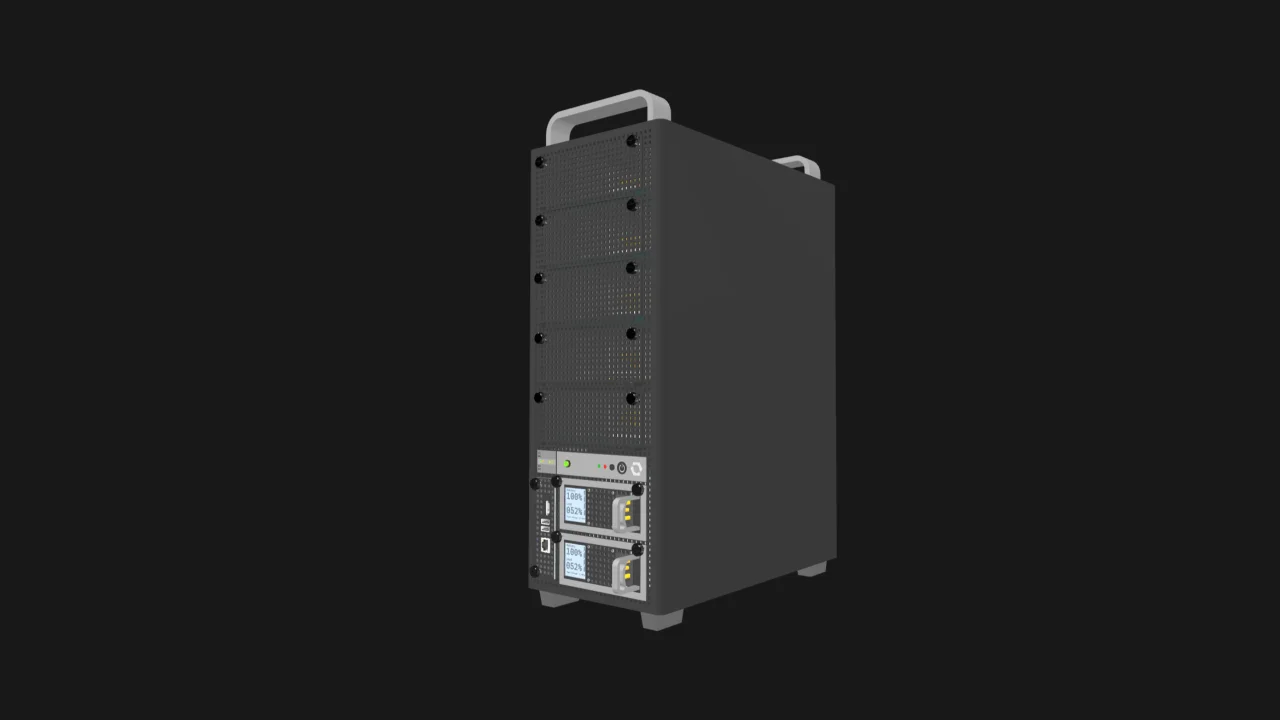
VPX standardized the connector and backplane interface. OpenVPX added module, slot, and backplane profiles after the fact. In our case, we are developing our Compute Node and Enclosure specifications side-by-side, with the goal of making any node compatible with any Enclosure, regardless of their vendors. We have the same goal for the Management Module and compatible Enclosures.
The node and Enclosure specifications also define two classes for each component: Core and Enterprise. Core Enclosures provide vendors with plenty of design flexibility, and allows them to implement only some Enterprise-class infrastructure and other features, including in ways that are different from what is prescribed for Enterprise Enclosures. The latter is for rigidly-defined, predictable applications, i.e. multi-node servers.
Core Compute Nodes will still work in an Enterprise Enclosure, but additional Enterprise interfaces are available only when both the node and the Enclosure’s node slot have matching Enterprise connectors.
We believe that limiting nodes and Enclosures to two classes will help limit variations. Further, as long as we maintain interoperability between the two components, node and Enclosure variants could become more of a strength of the OpenSFF ecosystem rather than an integration challenge for users.
Verify compatibility through testing
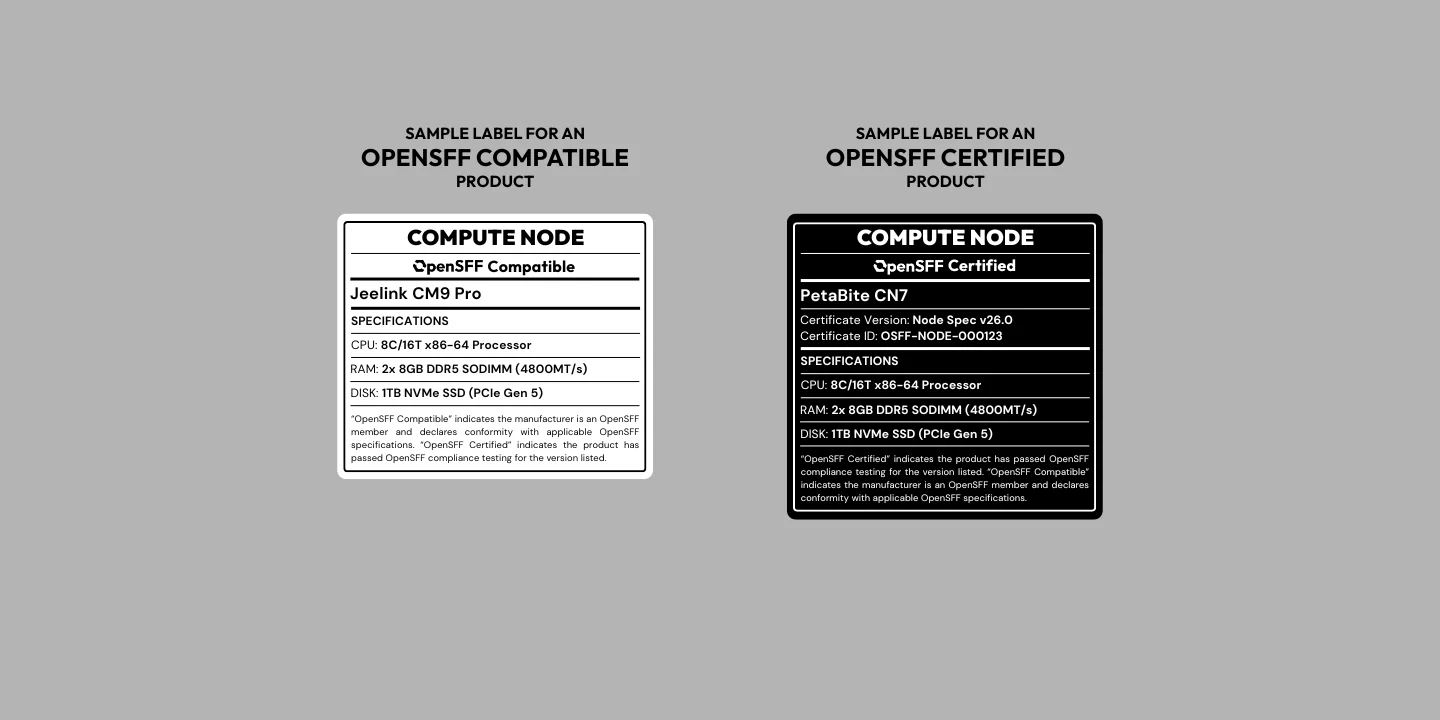
Even a detailed and focused specification can only go so far. Interoperability can be reliably demonstrated only through thorough testing. Similar to what The Open Group does in PlugFest, products from different manufacturers need to be evaluated together to identify incompatibilities and other issues that may not be readily apparent despite each product abiding to a standard’s rules.
We are working on two official labels for OpenSFF implementations. OpenSFF Compatible products adhere to our specifications but have not undergone our testing suite. OpenSFF Certified products on the other hand will be those that pass our upcoming compliance and interoperability testing. As the OpenSFF ecosystem grows, testing implementations from multiple manufacturers will be essential for us to keep validating that our standard delivers on its promise.
Should implementations vary widely within Core Enclosures and OpenSFF Compatible products, Enterprise Enclosures and OpenSFF Certified products would still provide users with a reliable set of features that are implemented consistently.
Be deliberate about optionality
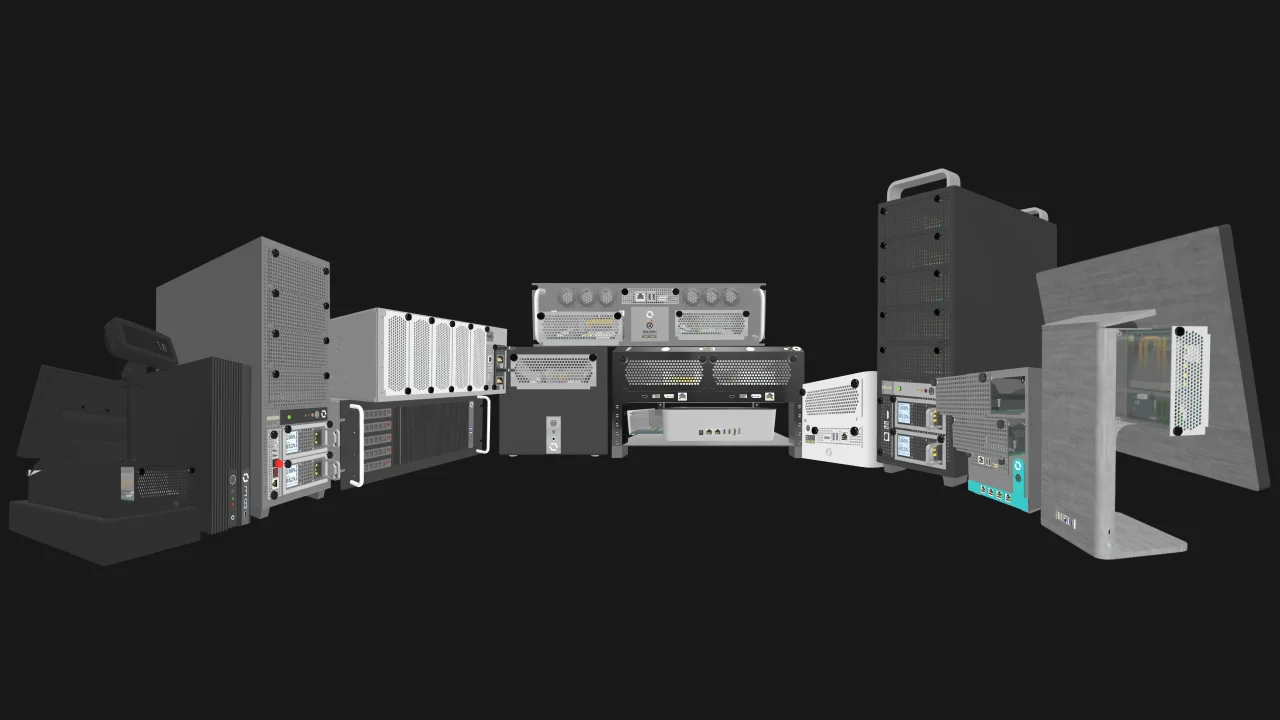
VPX’s legacy boils down to a challenge for us: if a vendor choice will break interoperability, then that choice should be fixed in our specifications. Otherwise, it can be left open. Our specifications define custom pinouts for the Core, Enterprise, and Management Connectors. We also define the dimensions of nodes and Management Modules, as well as set a 120W Maximum Power Target per Compute Node.
Meanwhile, we allow vendors to choose their implementation’s components, PCB layout, as well as additional I/O ports on the node’s I/O shield. This means Compute Nodes support a range of processors, from low-power CPUs to cutting-edge APUs. The Enclosure Specification does not constrain the housing’s physical dimensions or backplane construction, opening the door to a wide range of systems, from a mini PC to a rackmount server.
Reuse before inventing
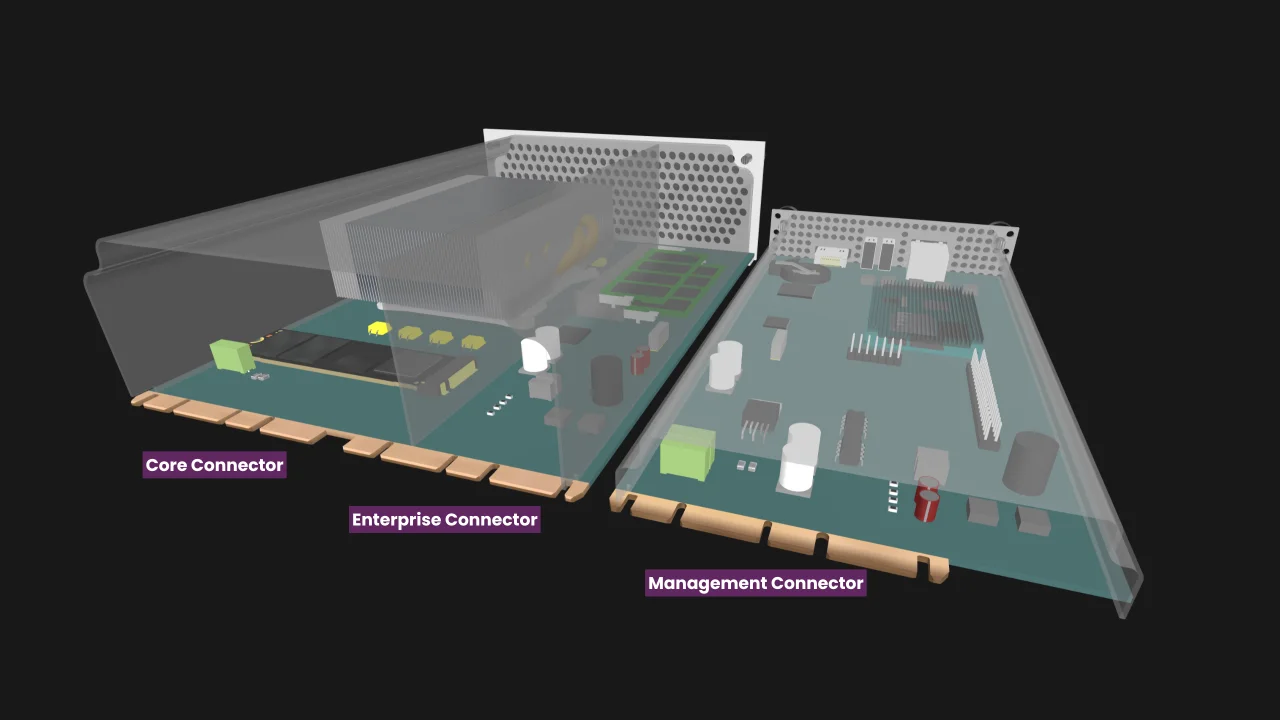
VME and SOSA show us that reusing existing standards saves effort and gives the market much-needed familiarity within a new standard. Our alignment with this approach manifests primarily in our choice of connector. The Compute Node’s Core and Enterprise Connectors, as well as the Management Module’s Management Connector, are all based on the SFF-TA-1002 4C+ card edge connector.
We also use a removable microSD card to carry Enclosure metadata and Management Module configuration data. Further, we prescribe the Raspberry Pi Compute Module 5 as the processor for Management Modules that comply with our Full-featured reference design.
Plan for the next generation
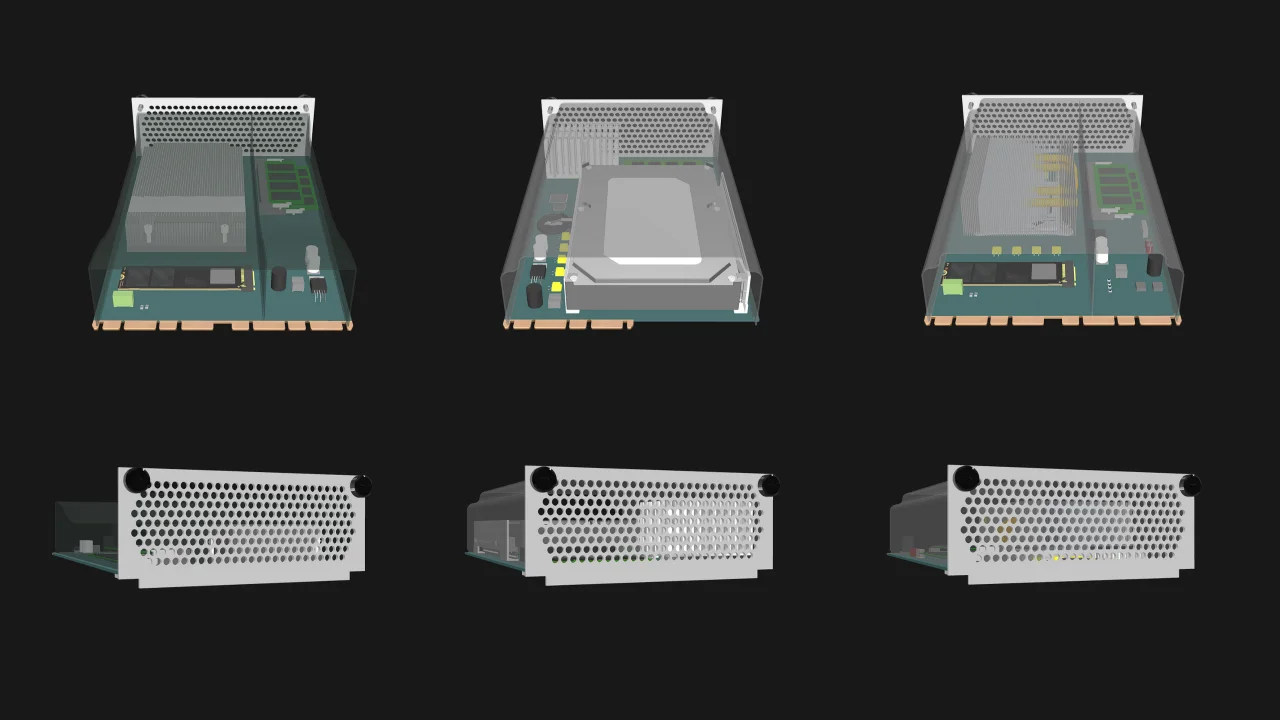
Performance headroom is why VPX needed to be created, despite VME’s proven interoperability and longevity. Our upcoming certification policies require new products to be certified based on the latest published version of the relevant specification. Products certified on earlier versions can still be manufactured and sold. But we are aware that transformative changes such as a higher power envelope are much harder to solve and may not be possible without breaking backward compatibility. We must therefore discuss revisions with our members well before significant changes become urgent.
Build with OpenSFF
VITA and The Open Group are refining living standards into sharper, more purpose-built foundations. Their efforts raise questions that OpenSFF and its upcoming members must consider for our standard. To what extent can implementations vary before they are no longer compatible? What are the benefits and tradeoffs of building on existing standards, protocols, or tools? How can we balance reuse and longevity with headroom for better technologies?
We welcome your answers to these questions. We invite you to read our specifications, and we would be grateful if you spread the word about OpenSFF. For technical clarifications, collaborations, and other inquiries, reach out to our development team at [email protected].
Other Articles

Meet OpenSFF: an open hardware standard that enables cross-vendor compatibility, modular systems, and sustainable hardware reuse.
August 11, 2025
We go over the rise of virtualization and the open software adopted by home server enthusiasts, as well as the current challenges and the future of the hobby.
September 06, 2025

Learn why OpenSFF adopted the SFF-TA-1002 connector standard and how it enables our vision.
September 18, 2025