What We Do
The mission of OpenSFF is to define a modular, interoperable hardware standard while working collaboratively with manufacturers to ensure compatibility across implementations. By separating node and enclosure lifecycles, the standard makes it easy to refresh performance without replacing an entire system. This modular approach supports upgrades, repair, and reuse across a wide range of applications, from enterprise servers to small office workstations.
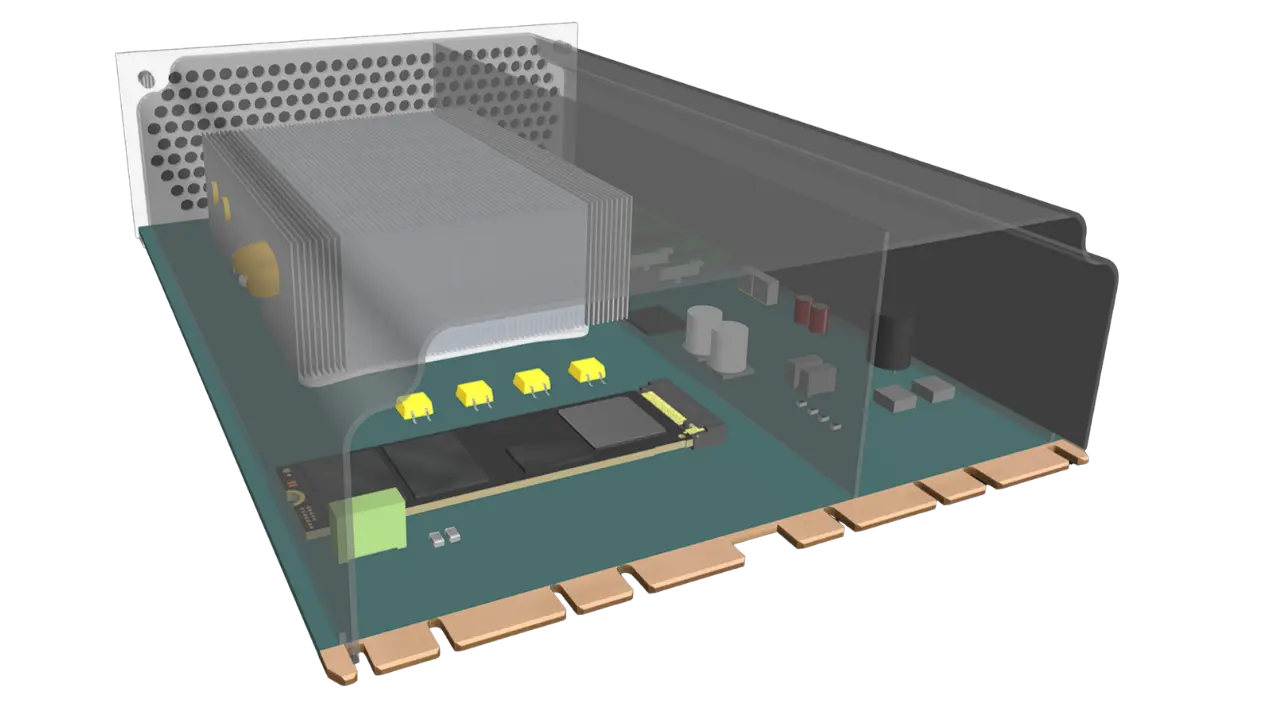
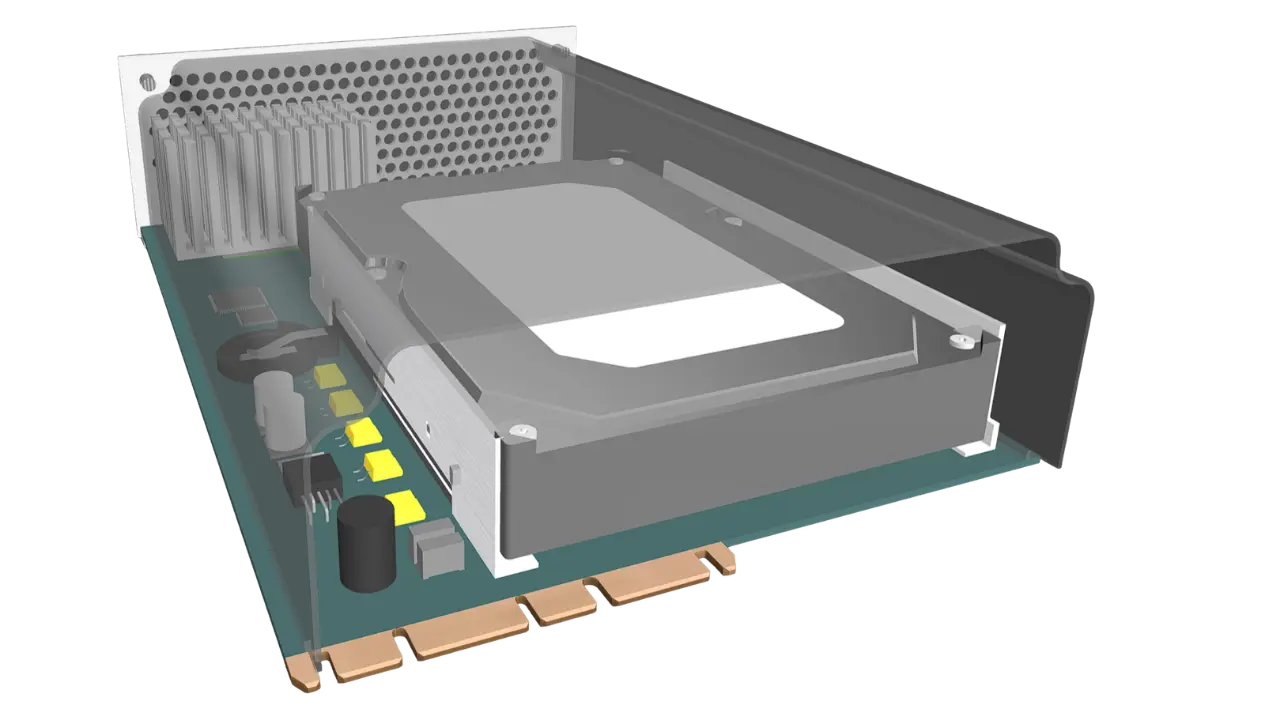
Compute nodes using the SFF-TA-1002 connector. Image by OpenSFF.
At the heart of OpenSFF is a standardized high-density connector, designed for reliability and long-term serviceability. This connector consolidates power, sideband, and high-speed signals into a single interface, enabling compact yet flexible system designs.
The specifications also define power and airflow requirements so that vendors and integrators can rely on predictable interoperability. This ensures that any compute node built to the standard will function consistently across compatible enclosures, reducing setup complexity and improving deployment speed.
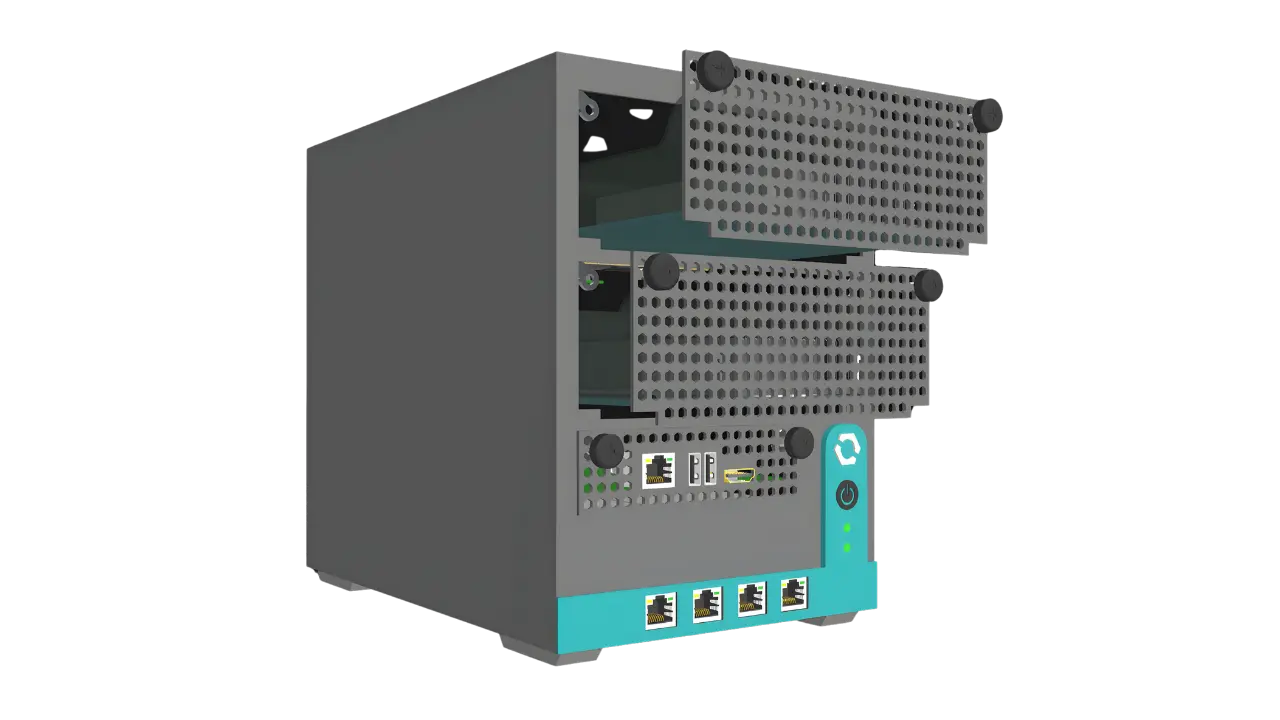
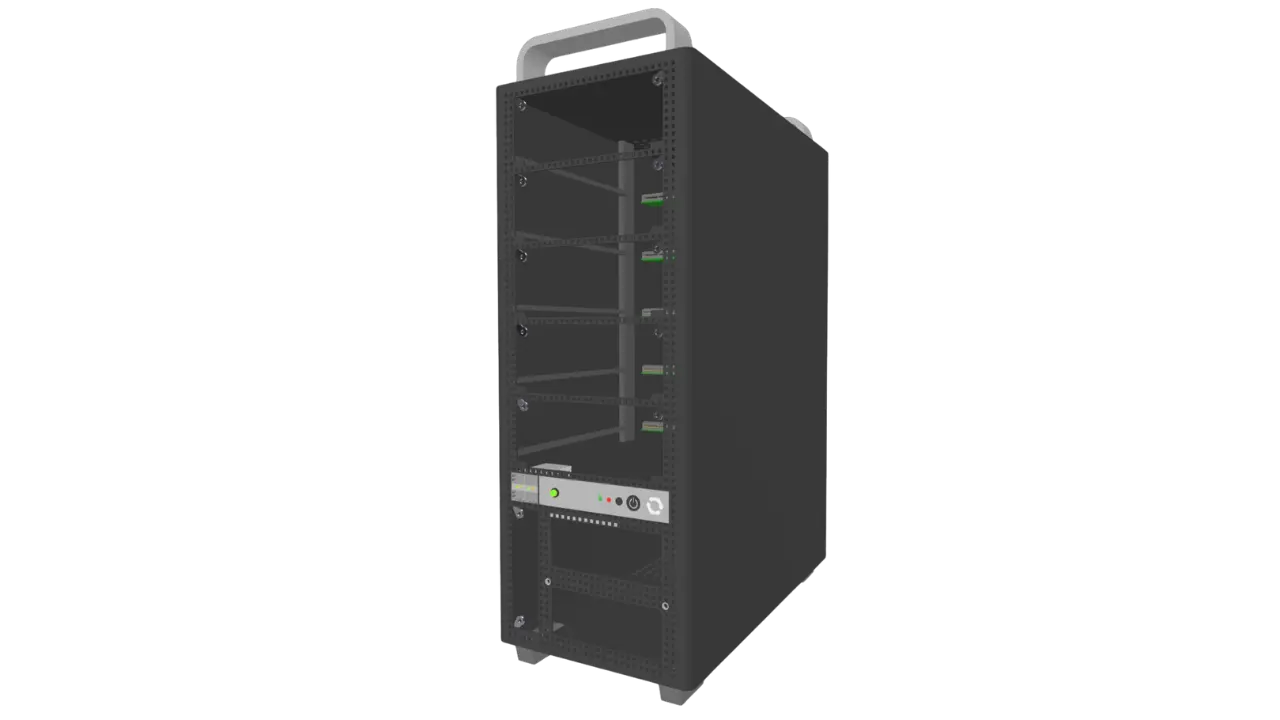
Nodes can be added, removed, and redeployed across OpenSFF enclosures. Image by OpenSFF.
Serviceability is central to OpenSFF. A unified mounting system and tool-less design make installation and replacement quick. These features lower operating costs and support more sustainable hardware use.
OpenSFF takes a platform-agnostic approach, supporting enterprise-class capabilities using commodity hardware without vendor lock-in. It's flexible enough for small businesses today, and powerful enough to scale into data center deployments.