Blog
A Bridge to Interoperability: Why OpenSFF standardized on the SFF-TA-1002 connector
Introduction
Developing open hardware specifications is not just about good intentions. Foundational decisions have to be made to enable truly modular, serviceable, and sustainable computers, accepting that there will be trade offs along the way. In this post, we will go over how we arrived at one of those decisions: adopting the Storage Networking Industry Association’s (SNIA) SFF-TA-1002 (PDF) connector standard.

After evaluating the alternatives, OpenSFF standardized on the SFF-TA-1002 4C+ connector for both its Core and Enterprise interfaces, as well as for the Management Module Connector. We arrived at this decision because we believe that an open standard for modular computing requires cross-vendor compatibility. SFF-TA-1002 allows us to commit to this principle while providing reliability and performance headroom for future needs.
Why use a connector?

Before going over the SFF-TA-1002 and its alternatives, let us go over why we decided to pass the I/O through a connector in the first place, as opposed to having the them built into the I/O Shield.
The Compute Node specification represents the minimum viable configuration that manufacturers can implement, ensuring wider compatibility. Vendors can place additional I/O on a Compute Node’s I/O shield, but these ports should never be put in place of the minimum I/O defined in the specification.
Integrating I/O into Enclosures should also lower the cost of production for entry-level Compute Nodes, as they do not need port shielding or cutouts. Taking this a step further, we are developing our standard with multi-node systems as our primary use case. In such configurations, integrating the I/O into the Enclosure would be more appropriate and cost-effective than building the I/O into each Compute Node.
What makes SFF-TA-1002 special
Protocol-agnostic
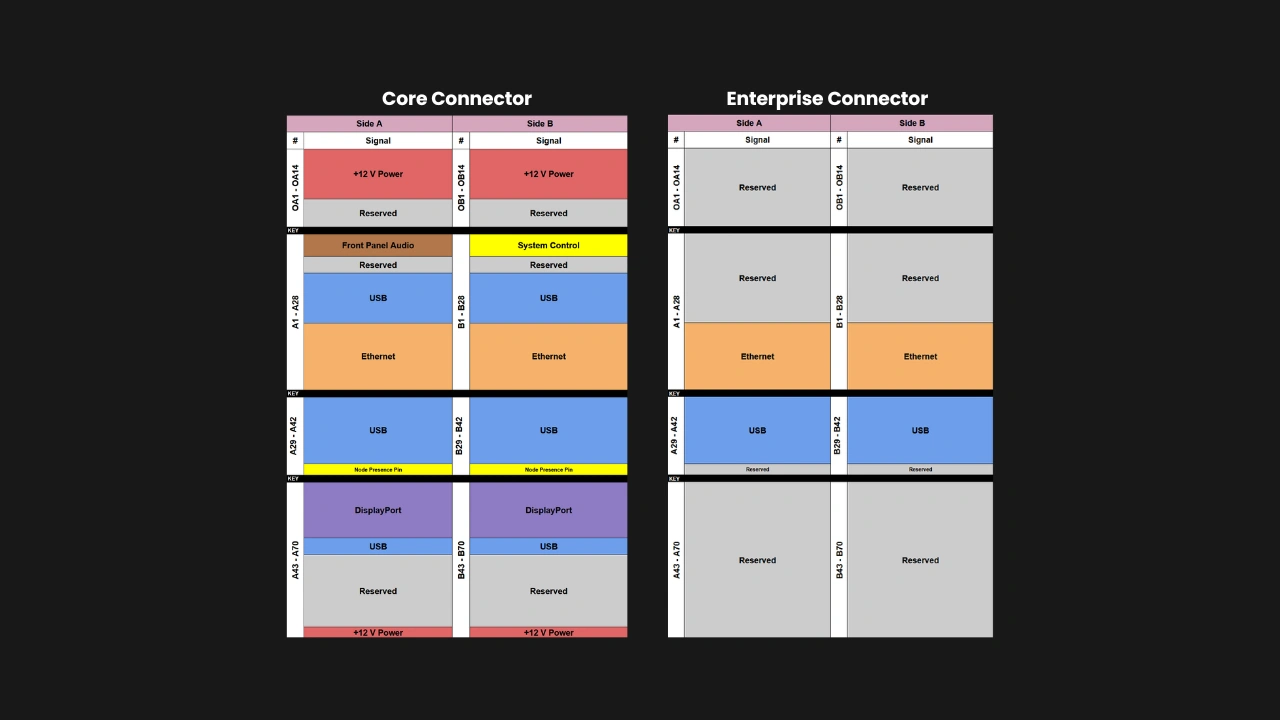
Unlike connectors developed for specific applications, SFF-TA-1002 does not enforce particular protocols on individual lanes. This freedom allows us to assign Ethernet, USB, or DisplayPort signals to any physical lane while still following proper grounding rules. The same connector can handle Compute Nodes with different I/O configurations, storage modules, or even future protocols not yet defined.
This flexibility is crucial for our two-tier approach, allowing us to have different signal assignments on the same connector standard. Core Compute Nodes use the connector for essential connectivity, while Enterprise Compute Nodes have additional Ethernet and USB-C interfaces.
High lane density
From a performance standpoint, this is the standard’s most compelling advantage. The 4C+ connector provides 168 contacts, which translates into exceptional differential pair density for high-speed signals. This concentration allows OpenSFF Compute Nodes to support multiple 2.5Gb Ethernet, DisplayPort 1.4, and USB-C connections without using bulky connectors or complex mezzanine cards.
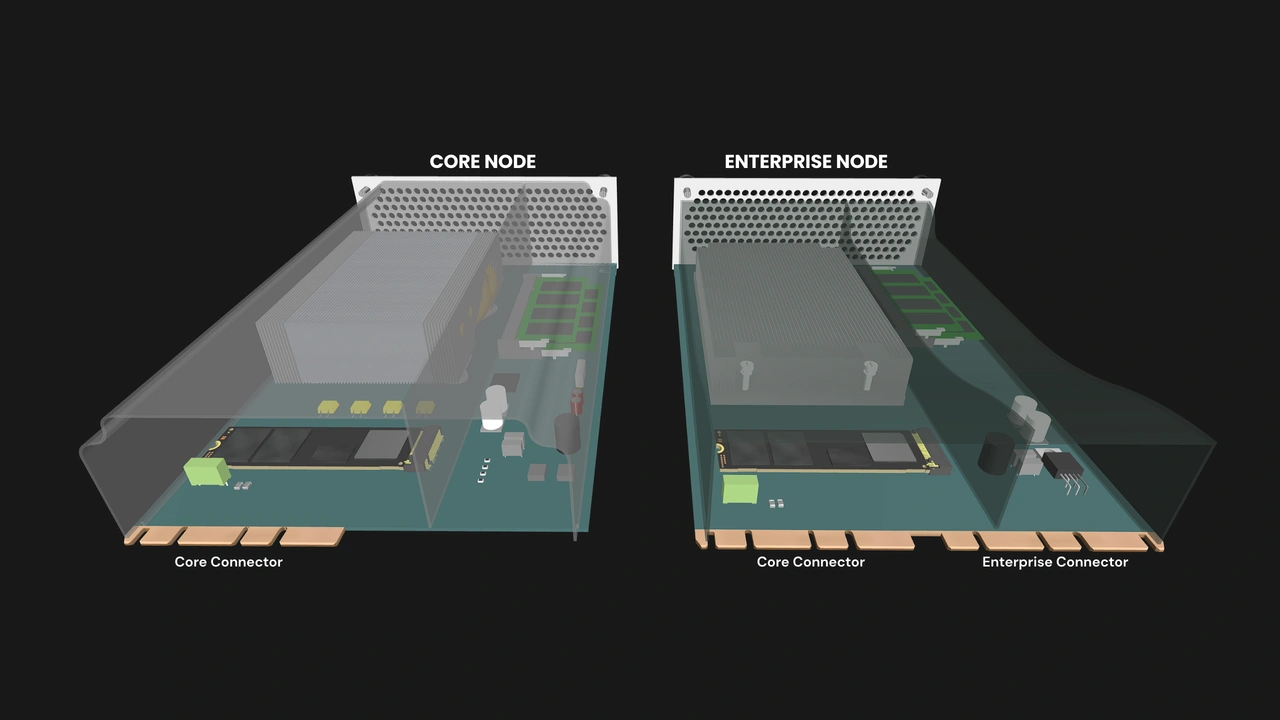
Traditional solutions such as OCP 2.0 mezzanine cards require significantly more board space to achieve similar connectivity, making them unsuitable for our desired dimensions for the Compute Node. The high contact density of SFF-TA-1002 also enables both Core and Enterprise connectors to fit in one Enterprise Compute Node elegantly and efficiently.
Integrated infrastructure
SFF-TA-1002 combines high-speed differential pairs, power delivery, and sideband control signals in a single connector. That means OpenSFF Compute Nodes can receive 12V DC power, deliver multiple high-speed signals, and handle management communications through the same physical interface. This integration eliminates the need for cables to connect Compute Nodes to Enclosures, simplifying insertion, reducing potential points of failure, and helping clear the airflow through Enclosures.
Mechanical robustness
The connector design supports up to 200 insertion and removal cycles, making it more than durable enough for field or edge deployments.
The tradeoffs of SFF-TA-1002
Complex design
The connector’s dense 0.6mm contact pitch requires careful attention to signal integrity. Effective cross-talk and interference mitigation are essential for proper operation. Engineers must understand differential pair routing, ground plane design, and electromagnetic interference management to successfully implement the standard.
But this complexity is not accidental. It is the price of achieving the aforementioned lane density in a compact form factor, trading simplicity for capability.
Sensitivity to mechanical stress
We praised the connector standard’s robustness in terms of its mating cycles. But we are aware that card edge connectors are generally more sensitive to shock and vibration than plug-in alternatives. The retention mechanisms in OpenSFF specifications should help systems remain reliable in unpredictable environments, while supporting installations that involve zero or minimal tools. But system designers must still account for proper mechanical support when designing OpenSFF Compute Nodes or Enclosures.
Cost and serviceability
High-density connectors such as the SFF-TA-1002 currently cost more per unit than standard pin headers. Damaged card edge connectors and backplane sockets also require more complex repair procedures compared to simple cable replacement.
However, the density-to-cost ratio favors the connector given the functionality it delivers. We expect the connector’s cost to go down as our standard gains traction. We also account for serviceability in our specifications to mitigate the use of a card edge connector over headers with cables.
Why alternative connectors won’t work with OpenSFF
M.2 and U.2
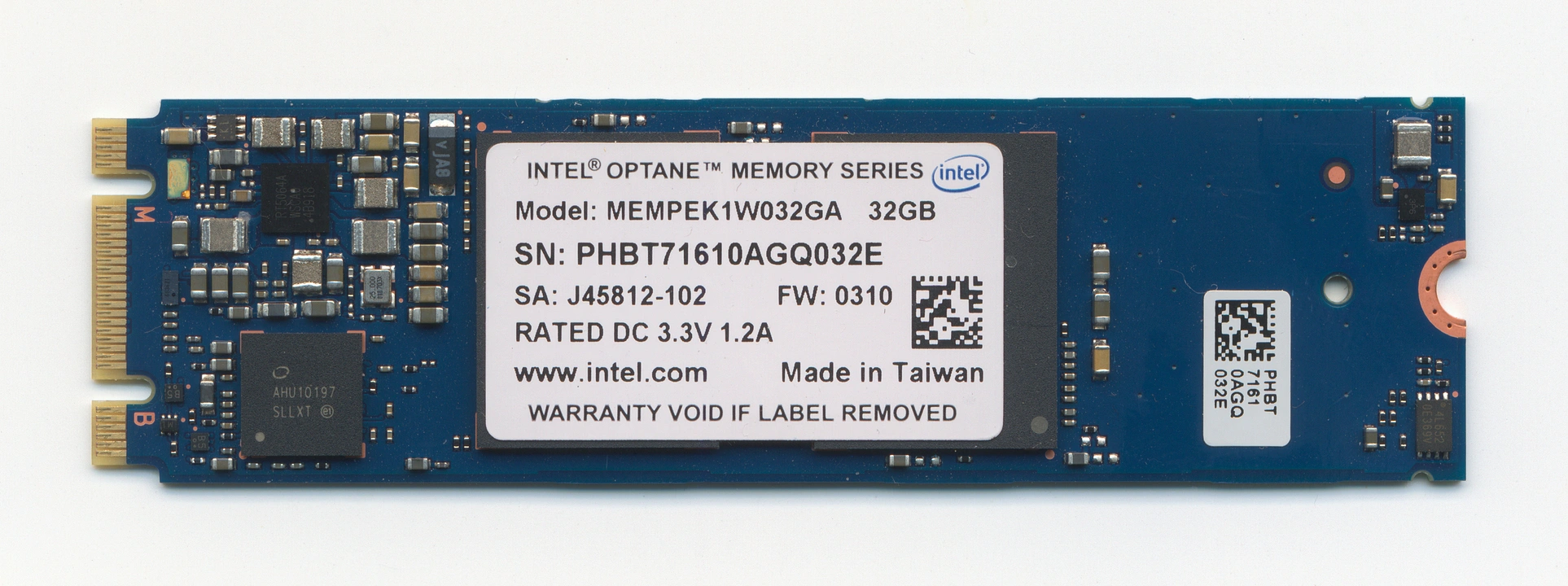
While familiar to many manufacturers, M.2 connectors limit systems to only up to four PCIe lanes. They are also incapable of delivering the 120W maximum power target that we specified to enable Compute Nodes to support high-performance processors. Further, the M.2 standard has no provisions for multiple Ethernet ports, which is essential to our networking approach.
U.2 connectors support 12V on each pin, resulting in a higher capacity for power delivery. But they also have the same PCIe limitation as M.2.
Optical and ribbon cables
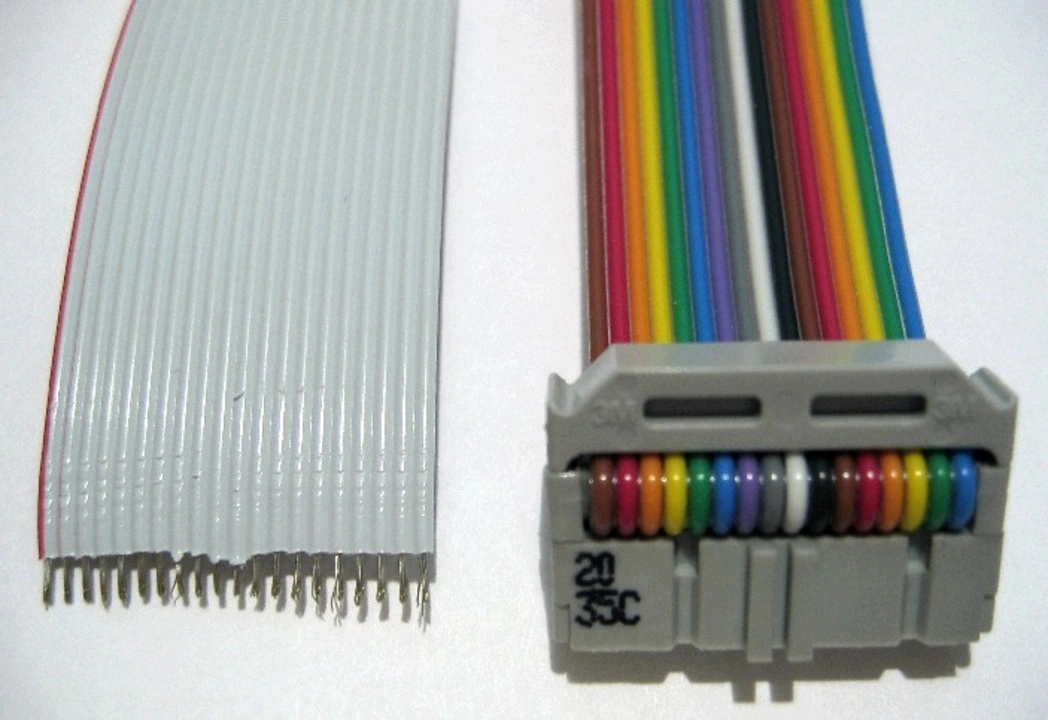
While optical and ribbon cable connections provide exceptional bandwidth, they can also be costly and complex. Integrating power, connectivity, and sideband control signals into optical cables is challenging, requiring a hybrid solution that has both fiber optic and electrical conductors. Ribbon cables also require careful routing and must be protected against strain, which are not ideal for systems where serviceability and reliability are primary concerns.
Board-to-board mezzanines and custom connectors
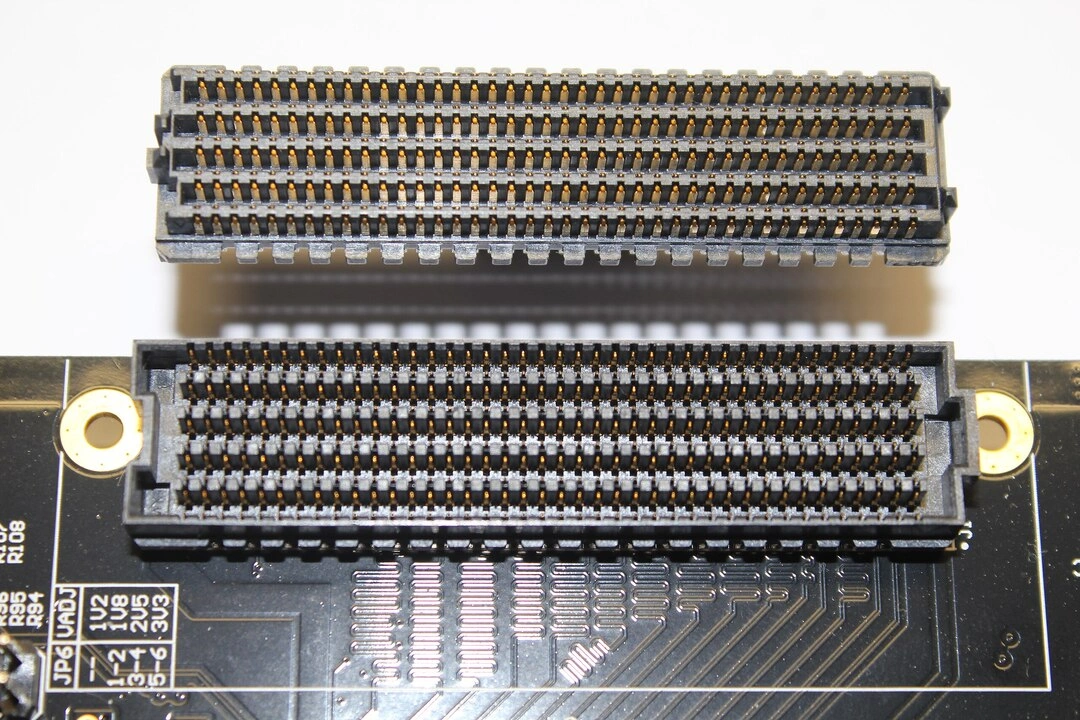
Custom solutions may be designed to provide our ideal electrical characteristics, and could be achievable at an affordable price at scale. However, resorting to a custom connector opens the door to vendor-specific implementations, which could reduce OpenSFF to being another proprietary platform.
Benefits for manufacturers and vendors

Wide availability
TE Connectivity, Amphenol, Molex, and Samtec already manufacture SFF-TA-1002-compliant connectors. This ensures competitive pricing and eliminates dependence on a single source for components. System integrators have options when negotiating and mitigating risk, which may not be the case if OpenSFF decided to design a custom connector.
SNIA backing
SNIA continues to maintain the SFF-TA-1002 specification and coordinate industry-wide requirements for it. This institutional support provides long-term stability and confidence in the connector’s availability and evolution. SNIA also enables coordination with other emerging standards such as Compute Express Link (CXL) and Enterprise and Datacenter Standard Form Factor (EDSFF). In fact, SNIA also maintains the latter family of specifications.
Momentum
We believe that the abundance of existing vendors and SNIA’s oversight will significantly help manufacturers have faster development cycles compared to complying with a specification that asks for a custom connector. It will be easier for them to source development kits, cables, tools, and other components from multiple suppliers.We expect this existing ecosystem and governance to have cascading effects when manufacturers adopt OpenSFF, leading to better tools, more knowledge, and lower development costs.
How SFF-TA-1002 enables OpenSFF’s vision
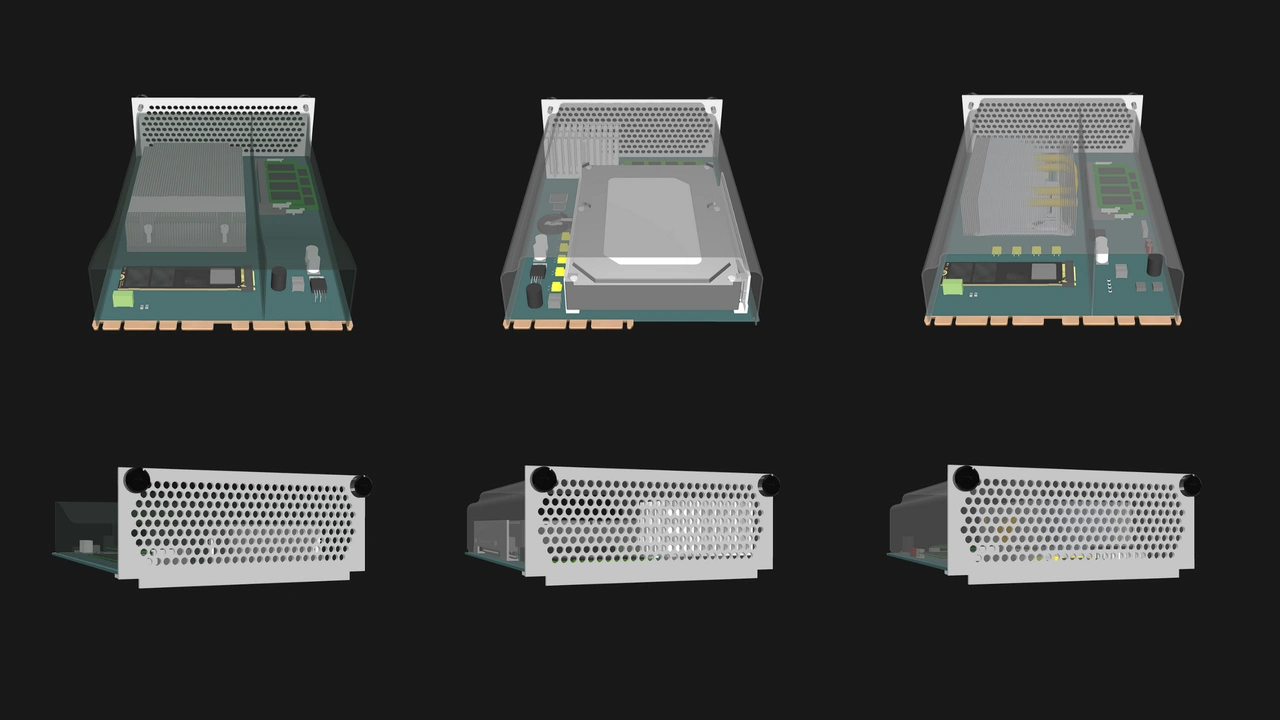
Interoperability
Standardizing on SFF-TA-1002 enables hardware reuse across vendors and possibly generations. Compute Nodes work with any Enclosure, regardless of their manufacturer. This can significantly extend equipment life cycles, reduce e-waste, and give system integrators and customers more options.
Design flexibility
The connector can be used across different CPU architectures. This approach allows Compute Node manufacturers to optimize for their target performance, power, or cost without affecting Enclosures.
Meanwhile, Enclosure manufacturers should be free to cast a wide net, from OEM system builders to DIY enthusiasts, assured that their products will be compatible with all Compute Nodes.
We believe that this mutually beneficial interplay between flexibility and compatibility will encourage manufacturers to invest in developing OpenSFF products. These benefits should become stronger and continue to reinforce each other as the ecosystem grows.
Futureproof
SFF-TA-1002 supports current PCIe generations while still providing room for future standards. The protocol can evolve by updating the signal assignment rather than replacing the connector, making it a relatively safe investment for all parties in the ecosystem as technology evolves.
Build with OpenSFF
Our decision to adopt the SFF-TA-1002 standard reflects our commitment to prioritize standardization over optimization for only one or a few use cases. We are establishing a foundation that enables broad industry participation yet still encourages innovation.
We invite you to read our specifications, which will always be publicly accessible here on our website. For technical clarifications and other inquiries, reach out to our development team at [email protected].
Other Articles

Meet OpenSFF: an open hardware standard that enables cross-vendor compatibility, modular systems, and sustainable hardware reuse.
August 11, 2025
We go over the rise of virtualization and the open software adopted by home server enthusiasts, as well as the current challenges and the future of the hobby.
September 06, 2025
Learn why OpenSFF adopted the SFF-TA-1002 connector standard and how it enables our vision.
September 18, 2025