Blog
Hardware Diagnostics: How OpenSFF Can Help Healthcare Organizations
Introduction

When we think of the hardware that hospitals, clinics, and other healthcare providers use, the first things that come to mind are highly regulated, specialized medical equipment such as imaging devices and surgical robots. But healthcare facilities also rely on an array of conventional devices. There are servers running electronic health records (EHR) locally, thin clients docked at nursing stations, and self-service kiosks serving visitors in lobbies.
While it can be challenging for healthcare providers to manage regulated equipment, their general-purpose IT infrastructure has also been a source of persistent problems. In this article, we are going to go over the customer-facing, back-office, and edge devices that healthcare providers use, the challenges attached to them, and how our open hardware standard can help.
The general-purpose systems in healthcare
Front-of-house hardware
Reception areas, nursing stations, and examination rooms are typically equipped with thin clients or zero clients rather than a traditional desktop PC. These endpoints connect to Virtual Desktop Infrastructure (VDI) environments that are either hosted elsewhere in the building or on servers handled by a third party.
IT infrastructure provider Logical Front says up to 15 different clinicians log into the same workstation in a 12-hour shift. VDIs and thin clients are highly suited for clinical work because they do not retain sensitive data, and they are easy to sanitize and replace.
Self-service kiosks bring those same advantages to the front desk. They streamline visitor and supplier check-in, provide directions and other information, and make payments more convenient.
Back-end hardware
Thin clients and kiosks connect to servers that process and store data. While cloud-based solutions are becoming more common in the healthcare industry, there are still numerous reasons why a healthcare provider would have servers on-site. Besides self-hosted VDIs, a hospital may need to back up or cache EHR, process lab results before sending them to the cloud, or run applications that need to be hosted locally.
With all these devices that need to communicate and transfer data, network appliances such as routers and gateways become essential healthcare hardware. Together with switches, wireless access points, and network cables, these appliances form the nervous system of a modern healthcare facility.
The challenges with general-purpose healthcare hardware
Unpredictable total cost of ownership
IT spending in the healthcare industry has been climbing steadily since 2020. But in some hospitals, the budget allotted for computing hardware is actually shrinking. The American Hospital Association (AHA) estimates that in 2024, US hospitals spent nearly $4.5 billion on computing infrastructure and data processing—a 15% increase from 2023. This year, Forrester projects that healthcare technology spending in the US will continue to increase, but it expects the total hardware expenditure to only be around $2 billion.
A recent blog post by the project estimation firm Galorath explains the inverse trend: on average, IT projects end up costing 80% more than the initial estimate. When it comes to hardware, the sheer quantity of additional costs exacerbates the issue. Staff training, integration, monitoring, and the inevitable hardware refresh are all expenses that can be difficult for healthcare organizations (HCOs) to project accurately.
As a result, Galorath says that many healthcare executives are prioritizing tech investments with more predictable ROI. Forrester predicts that $25 billion of providers’ $69 billion tech budget for 2026 will go to software such as AI-tools and cloud platforms.
Vendor lock-in
Much of the infrastructure we discussed in the previous section comes as a tightly integrated package from a single vendor. HCI appliances, whether located on-site or in a provider’s data center, combine compute, storage, and networking. A hospital’s fleet of thin clients are often tied to a specific management platform or VDI software ecosystem.
This integration is a double-edged sword. It shifts the burden of planning, configuration, and ongoing maintenance from an HCO to its provider. But it also creates a dependency that can be difficult to sever. Proprietary protocols, management tools, and file formats make it difficult to switch to another solution. This can result in HCOs having limited leverage against a vendor’s pricing, support, or policies in the long run.
Hardware longevity and sustainability
Similar to vendor lock-in, software-related obsolescence is a persistent issue affecting numerous industries. For instance, some of the estimated 400 million computers affected by Windows 10’s end of life are in the healthcare industry. According to a 2025 report from asset management firm Lansweeper, 66.5% of Windows devices in healthcare are still on Windows 10. HCOs with those devices are at risk of running into issues related to data security, compliance, or software compatibility.
When it comes to serviceability, HCOs already face an uphill battle with specialized medical equipment. General-purpose hardware is not immune to this issue either. Enterprise servers, thin clients, and even network appliances are not typically designed to be serviceable. The solution to hardware failure often boils down to a complete replacement, even when most of the device is still functional.
HCOs are actively trying to meet sustainability goals to better care for their patients, staff, and communities, as well as to maximize their investments. But existing hardware options often make it difficult for HCOs to hold on to their devices for as long as possible.
These persistent challenges are even more severe for rural hospitals and critical access facilities. The AHA’s 2024 Cost of Caring report found that healthcare facilities in rural areas face greater financial challenges and draw from a smaller local workforce. These facilities have the least capacity to weather the consequences of legacy equipment, costly migrations, and hardware failures. Even a brief hardware outage can delay care that patients are counting on.
How OpenSFF can help healthcare organizations
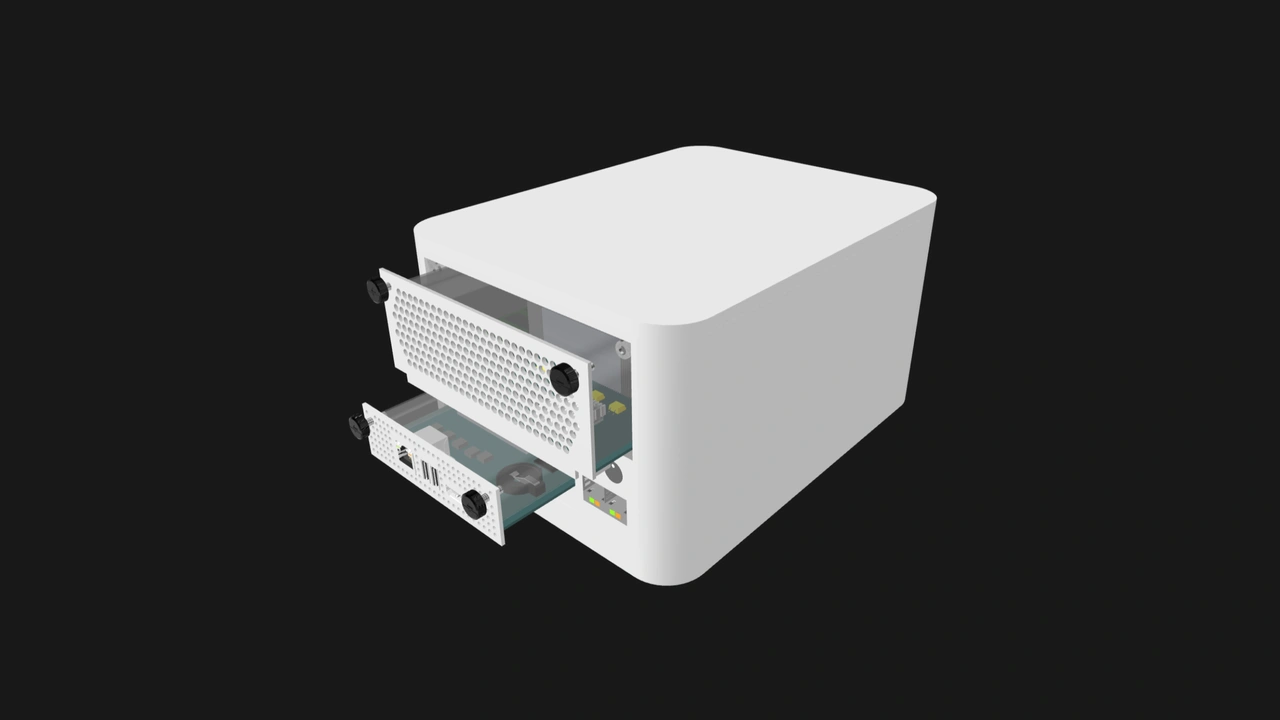
We are developing open-source specifications that define three hardware components: a processing module called the Compute Node, an optional management device called the Management Module, and an active electronic housing called the Enclosure, which provides power, cooling, and optionally, networking to one or more nodes. Hardware manufacturers can adopt our standard to create a wide range of modular, vendor-neutral, and serviceable systems, including the general-purpose devices that HCOs use.
More flexible spending and reduced risk of vendor lock-in
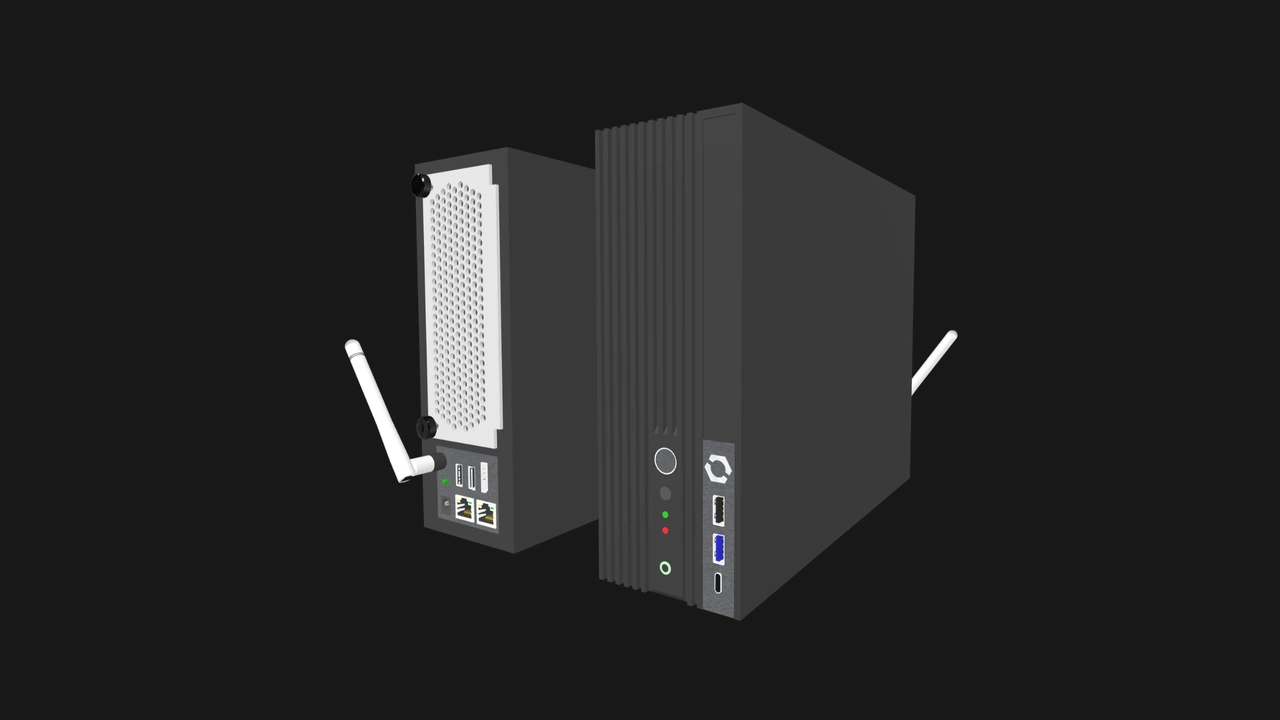
While vendors can adopt our standard to create complete devices, our standard also opens the door to vendors that specialize in any of the three OpenSFF components. Any Compute Node will work with any Enclosure, regardless of their vendors. The same goes for the Management Module and the Enclosures that support it.
This will give HCOs the option to select components from multiple vendors instead of relying on a single source. HCOs can benefit from this modular, vendor-neutral design both at their initial purchase and when it is time to replace or upgrade the hardware.
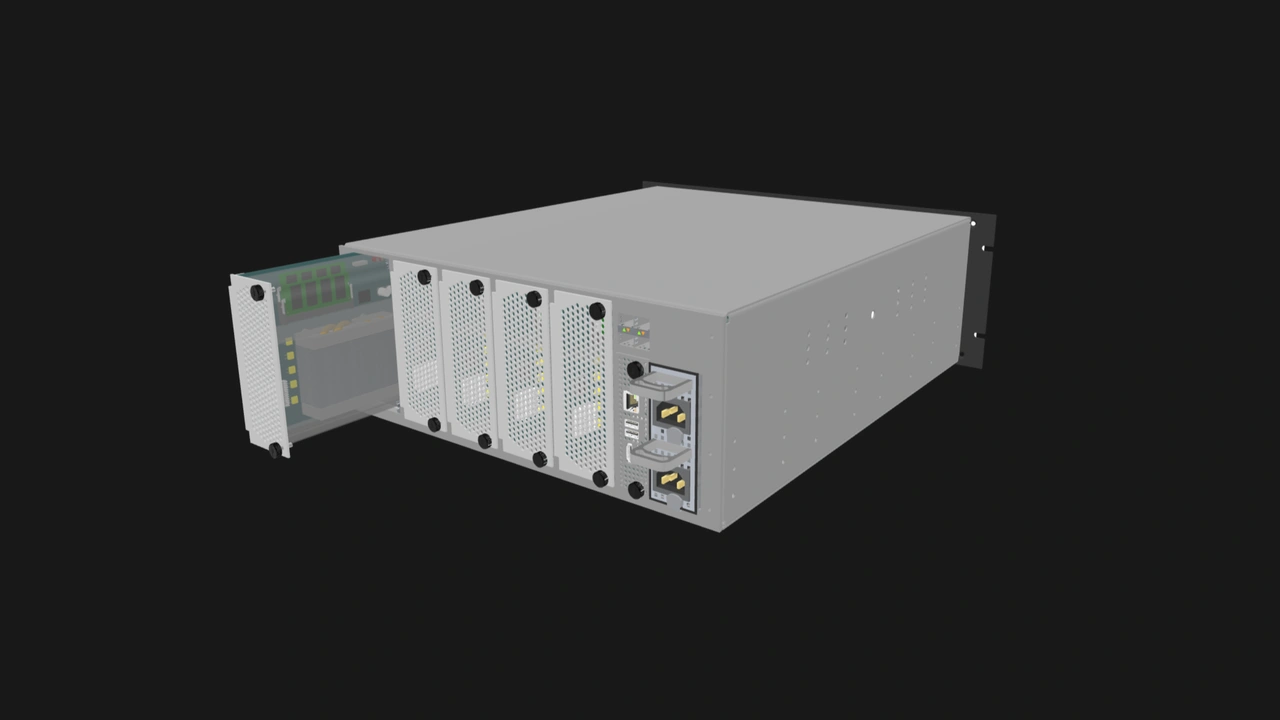
This standardization also streamlines inventory management and maintenance workflows. A Compute Node suited for a thin client may also be suited for a kiosk. A high-performance Compute Node can slot into any OpenSFF-compatible server, instead of being restricted to its vendor’s Enclosure. HCOs can streamline device management by using Compute Nodes that can cover a range of devices, rather than needing separate spare parts, tools, and training for each vendors’ hardware.
Meanwhile, the Management Module standardizes out-of-band management, eliminating the need to rely on proprietary vendor platforms or KVM devices. We are also developing the default software for Management Modules with remote capabilities. IT administrators will have the option to use a consistent interface to manage all their OpenSFF-compatible systems.
More serviceable, longer-lasting hardware
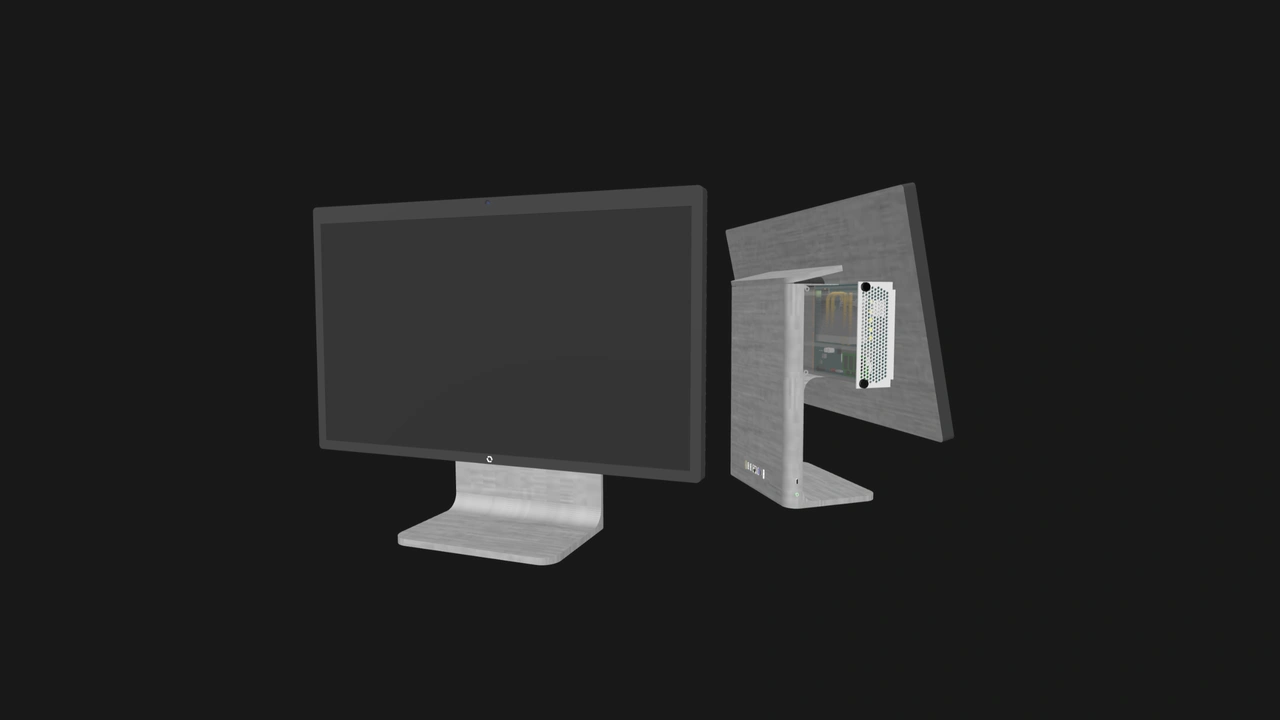
Compute Nodes and Management Modules slot into Enclosures through a standardized blind-mate card-edge connector. Both modules are secured using two captive thumbscrews, rather than fasteners, adhesives, or other retention mechanisms that require specialized tools or procedures. IT teams and even general healthcare staff can learn service workflows that apply to multiple device categories.
Our modular, vendor-neutral approach also makes it easier for HCOs to extend the usefulness of their hardware. A Compute Node that no longer qualifies for software updates can be replaced without touching the Enclosure, cabling, and surrounding infrastructure. Nodes can also be migrated to a replacement Enclosure instead of transferring their data to an entirely new system.
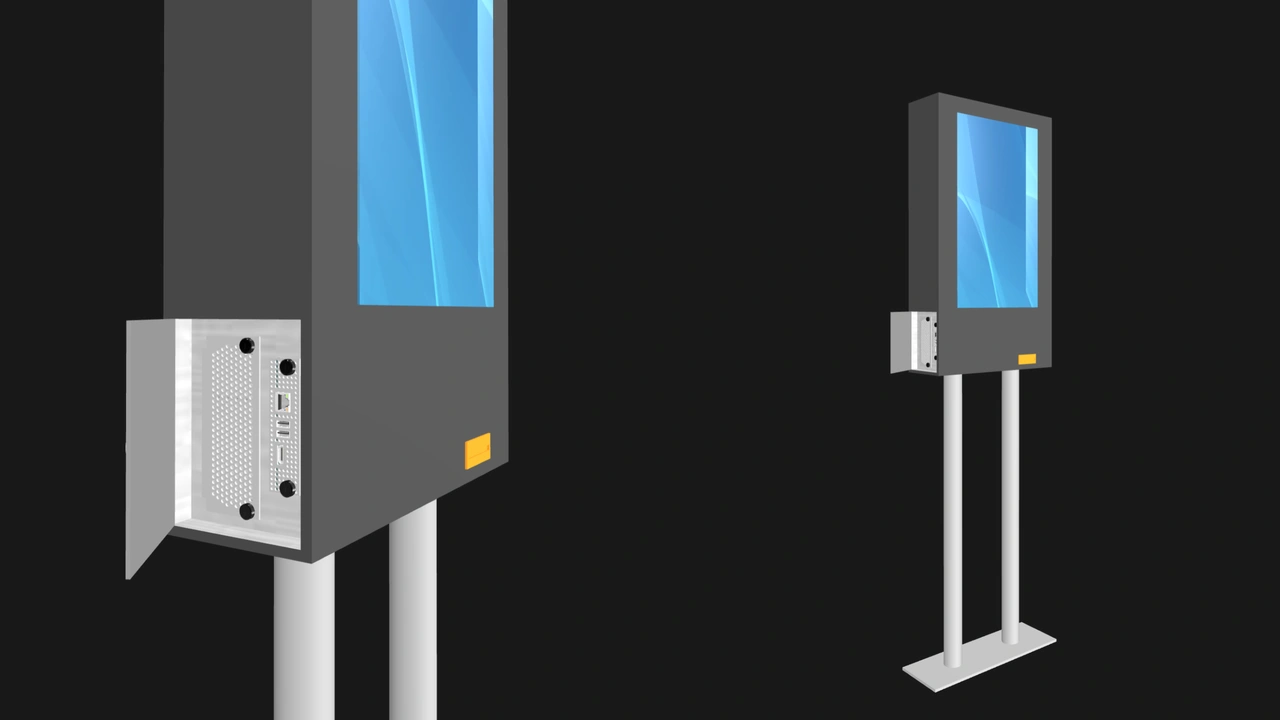
Decoupling modules from the Enclosure also makes it more feasible for HCOs to repurpose their hardware. A Compute Node from a hospital’s main server can be redeployed in one of the organization’s branch clinics. A firewall’s original Management Module may still be sufficient to manage a kiosk.
In a world with OpenSFF, HCOs can have gradual procurement and upgrade paths, less frequent system replacements, and less e-waste, making their sustainability goals more achievable.
Build with OpenSFF
Our standard is not designed for every category of healthcare equipment. But it can enable cost-effective and sustainable devices used for administrative tasks and daily operations. HCOs with shrinking budgets and lean IT staff can greatly benefit from systems that adhere to our standard.
Help us work toward modular, vendor-neutral, and serviceable hardware by spreading the word about OpenSFF. We would also be grateful if you could encourage vendors to read our specifications. For technical clarifications, partnerships, and other inquiries, reach out to our development team at [email protected].
Other Articles

Meet OpenSFF: an open hardware standard that enables cross-vendor compatibility, modular systems, and sustainable hardware reuse.
August 11, 2025
We go over the rise of virtualization and the open software adopted by home server enthusiasts, as well as the current challenges and the future of the hobby.
September 06, 2025

Learn why OpenSFF adopted the SFF-TA-1002 connector standard and how it enables our vision.
September 18, 2025