Blog
Compute a la carte: How OpenSFF can help QSRs
Introduction
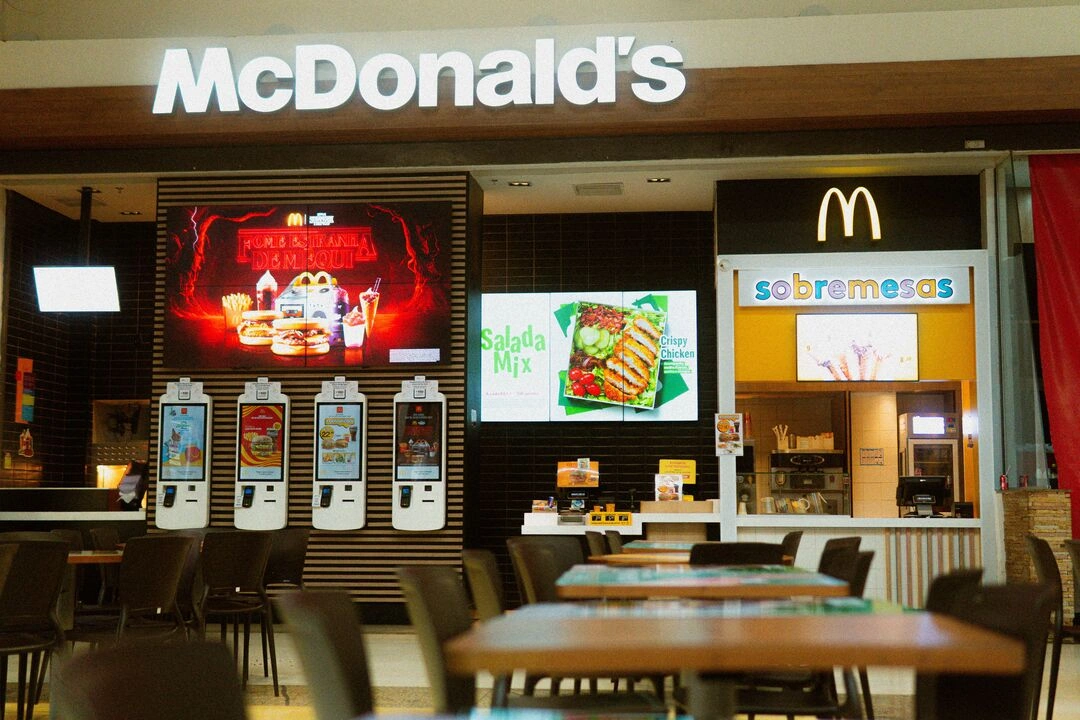
Quick-service restaurants (QSRs) use more computers than customers may realize. They need front-counter terminals, digital menus and signages, at least one kitchen display, a server to manage all these devices, as well as a dedicated drive-thru system. All that hardware needs to survive in a tight space designed for cooking and heavy traffic.
To weather the heat, grease, liquids, and long hours, hardware vendors typically design QSR devices as sealed boxes with energy-efficient processors that don’t need much cooling. But these designs often lead to long-term challenges for franchisees, from vendor lock-in to servicing woes.
OpenSFF is a nonprofit organization developing an open standard for modular small form factor systems. Our hardware specifications define two modules: a processing unit called the Compute Node and an optional node management unit called the Management Module. Finally, we have the Enclosure Specification, which defines an electronic housing that provides power, cooling, and networking for one or more nodes, with optional support for the Management Module.
In this article, we’ll explore the current landscape of QSR devices, then talk about how our standard can lead to more sustainable, serviceable, and ultimately more cost-effective solutions.
The systems that run a QSR
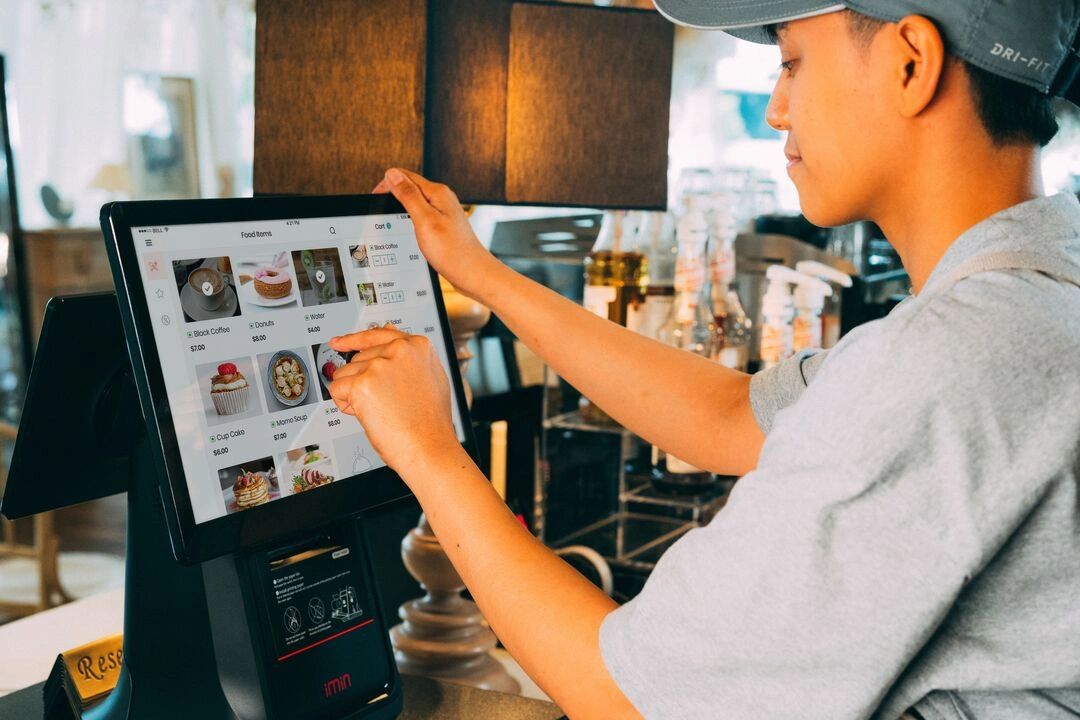
Point-of-sale (POS) terminals
Modern POS terminals often take the form of compact all-in-one PCs: a fanless computer with a touchscreen display on top. Well-known examples include Elo’s EloPOS System, Oracle’s Workstation 6, and Toast’s Flex terminal, which is IP54 rated against dust and water.
Kiosks and menu boards
Self-order kiosks, menus, and other in-store signage come in various form factors: floor, counter, or wall-mounted. But many are no longer just TVs or LCD displays wired to a mini PC. Modern commercial displays such as the Samsung QM55C have durable chassis that house energy-efficient system-on-chips (SoCs), much like the ones found in mobile devices, allowing them to store and display media on their displays without the need for a separate computer or media player.
Kitchen display systems (KDS)
KDS are the modern equivalent of order tickets, and many of them can also manage the digital signage we mentioned earlier. Since they’re often installed in the kitchen, these devices are often sealed or protected against heat, grease, and humidity. Examples of KDS include the PAR Controller, Oracle MICROS Express Station 400, and NCR Voyix devices.
Back-office edge servers
These can be one or more mini PCs that manage the POS database, inventory, or signage. Since QSRs devote most of their real estate to the kitchen and the dining area, they rarely have space for a climate-controlled computer room. Thus, even these machines should ideally run cool on their own. The SimplyNUC extremeEDGE 3000 is one such example. It also has an embedded management controller for remote power and firmware management, allowing technicians to quickly maintain or update the server without being on-site.
The tradeoffs of existing QSR hardware
Like other edge devices, QSR systems have evolved to adapt to their environment. But in doing so, they have also become misaligned with franchisees’ purchasing, maintenance, and upgrade needs.
As we have covered in previous articles, hardware vendor lock-in is a persistent problem across many industries, and QSR systems are no exception. In fact, when it comes to POS platforms, hardware and software can even be tied together. While this makes it easier for vendors to test compatibility, it also means that franchisees cannot just replace the hardware without overhauling the rest of the system. Research firm FranchiseVS estimates that a full system migration can cost up to $40,000 per unit once we account for installation and staff retraining alongside the new hardware itself.
Repairing proprietary, sealed devices also tend to involve waiting for specialized technicians or a specific replacement component or device. Hardware failure is an inevitable challenge that encourages some franchisees to license support contracts, an additional operational expense.
But ultimately, these risks can result in downtime. In a February 2026 blog post, POS provider Premier Wireless cited US Small Business Administration data that said POS or network downtime can lead to $1,000 to $5,000 of lost revenue per hour for mid-sized restaurants.
How OpenSFF can help QSRs
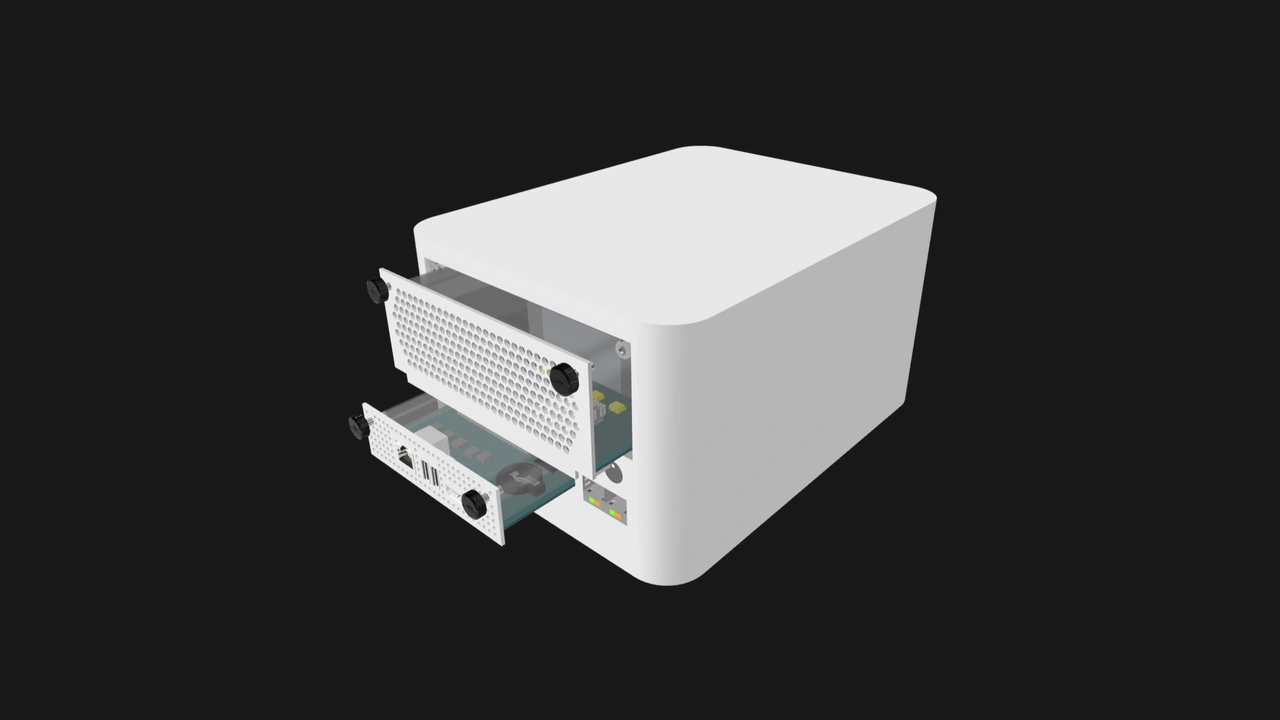
Hardware vendors are free to adopt our standard to create a wide range of modular systems, including the ones that QSRs rely on. Instead of resulting in sealed boxes, any Compute Node will work with any Enclosure, regardless of their vendors. The same goes for Management Modules and compatible Enclosures. Our architecture and design philosophy gives QSRs several key advantages.
Multi-vendor sourcing
Because OpenSFF-compatible components are interoperable across vendors, franchisors could choose to qualify multiple hardware vendors for replacement components, rather than tying a system to one proprietary implementation. A shared ecosystem naturally encourages competition in terms of both pricing and features, and reduces the risk of delays due to availability.
We would like to emphasize that this flexibility also applies to remote management, which is unprecedented at this scale. Vendor-agnostic management means franchisees do not need to be locked into a vendor’s ecosystem or support contract.
Serviceability by design
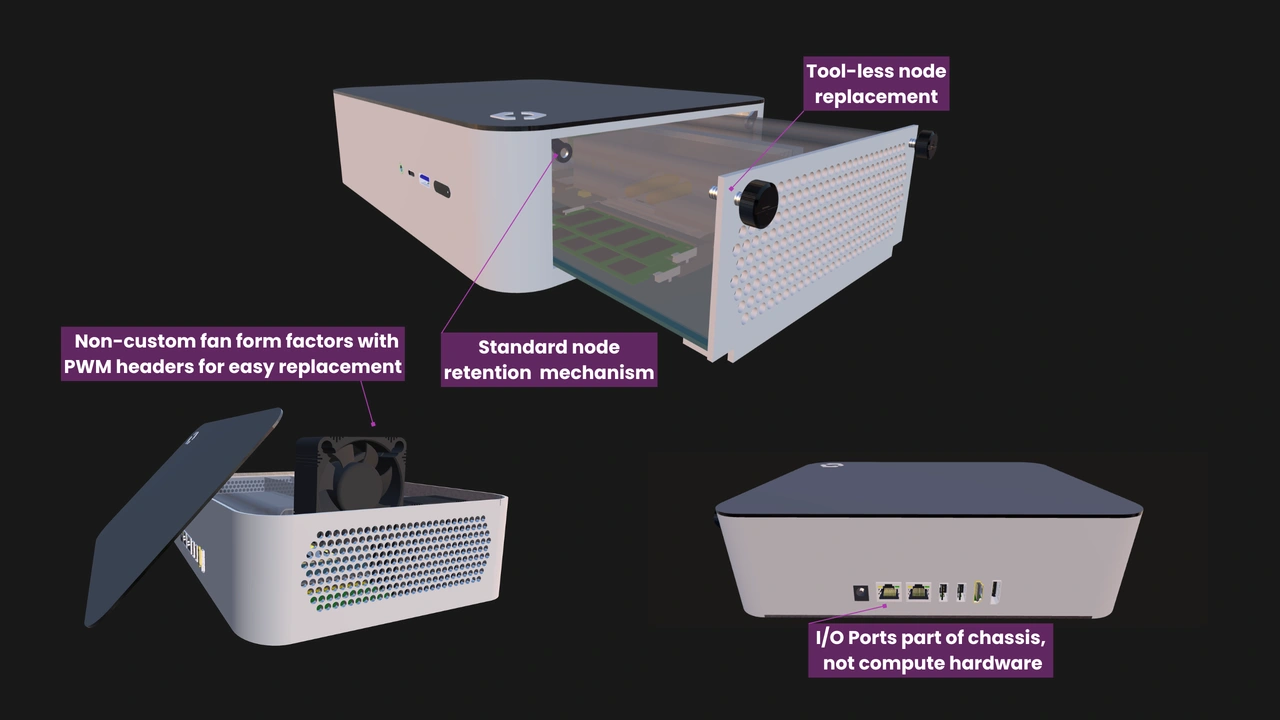
Compute Nodes and Management Modules have the same tool-less retention mechanism. Swapping a node simply involves two captive thumbscrews, a process so simple even QSR staff can learn how to perform it.
Instead of relying on an embedded management chip, the Management Module and the removable Enclosure microSD card make migrating to a different Enclosure a routine operation instead of a luxury.
Sustainability and cost-efficiency
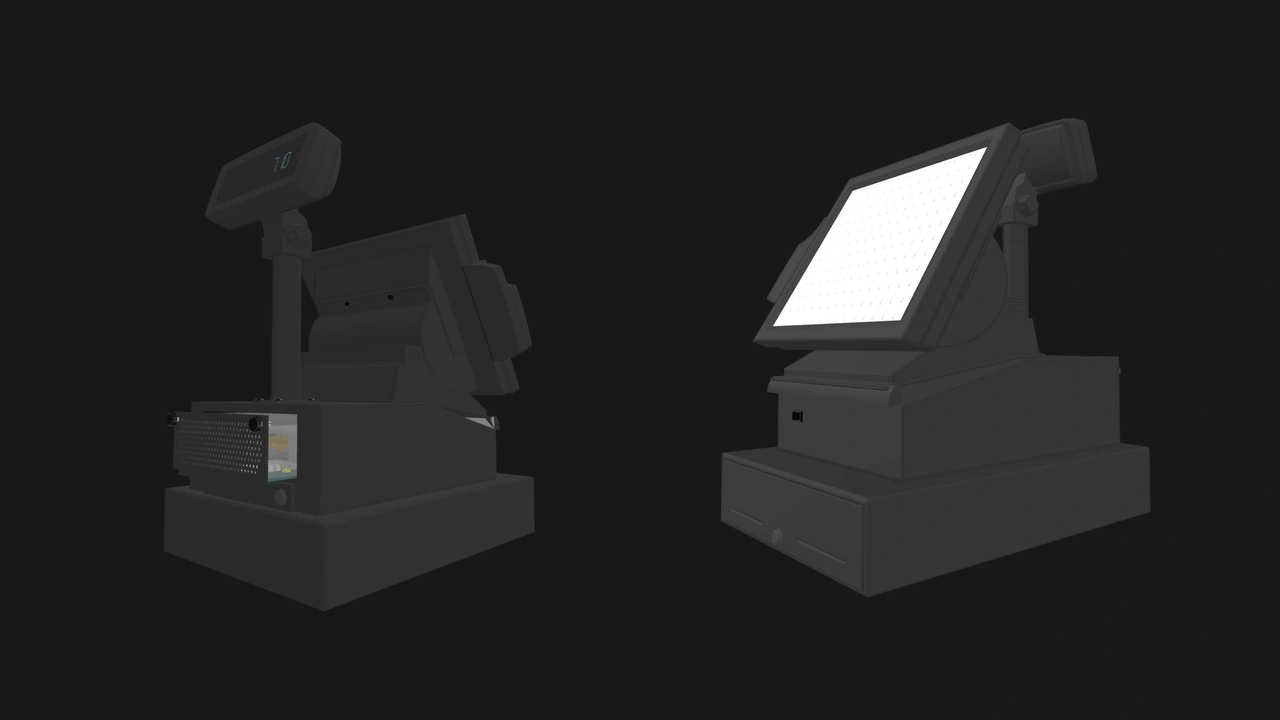
Interoperable and serviceable systems are sustainable systems. An aging POS terminal node can be upgraded without touching the rest of the terminal, including its installation and cabling. A broken KDS display can be replaced while retaining the node along with a QSR’s data and configuration.
Note that our standard can also be implemented into more general-purpose devices such as workstations, routers, and network video recorders. QSRs can potentially stock up on a few spare nodes that can cover several devices, even if only temporarily.
Streamlined connections
OpenSFF-compatible modules pass power, data, and management signals through the same connector interface, greatly reducing internal cabling. Enclosures can have dedicated internal Ethernet fabrics for general purpose traffic and node management, cutting down on network cables and external switches. We are also developing our specifications primarily for multi-node Enclosures, which also means fewer power cables and power supplies.
Where existing options have the edge
Size
Our standard’s mechanical envelope and clearance requirements will result in devices that are larger than specialized hardware. This is a real disadvantage given the space constraints of QSRs.
Optimization
Proprietary appliances can be optimized from the ground up around one system board. Standardized modules such as Compute Nodes and Management Modules give that up in favor of interoperability. That said, some existing vendors in the space are already moving towards a modular architecture. For instance, PAR Tech’s PAR VOLT terminal has two swappable compute modules and a variety of optional matching peripherals, including different displays.
Procurement
In some territories, franchisors have the final say which vendors or devices franchisees can use, as well as when hardware must be refreshed. We understand that they do this to help make service consistent across locations, but this does mean that it is up to franchisors to allow franchisees to benefit from multi-vendor sourcing.
Build with OpenSFF
Modern QSR systems have largely solved daily survival, and they will continue to be the best fit for certain deployments. But vendors who adopt our standard can look to existing hardware to optimize their implementations, while alleviating pain points that those devices cannot address.
Our standard can lead to more versatile and long-lasting systems, which in turn can allow franchisors to offer more predictable and flexible sourcing and servicing setups to franchisees. The restaurant industry is already working to standardize transactional data. We can help standardize the hardware.
We encourage you to read our specifications, and we would be grateful if you spread the word about OpenSFF. For technical clarifications and other inquiries, reach out to our development team at [email protected].
Other Articles

Meet OpenSFF: an open hardware standard that enables cross-vendor compatibility, modular systems, and sustainable hardware reuse.
August 11, 2025
We go over the rise of virtualization and the open software adopted by home server enthusiasts, as well as the current challenges and the future of the hobby.
September 06, 2025

Learn why OpenSFF adopted the SFF-TA-1002 connector standard and how it enables our vision.
September 18, 2025