Blog
Save Point: What Future-proofing Hardware Really Means
Introduction
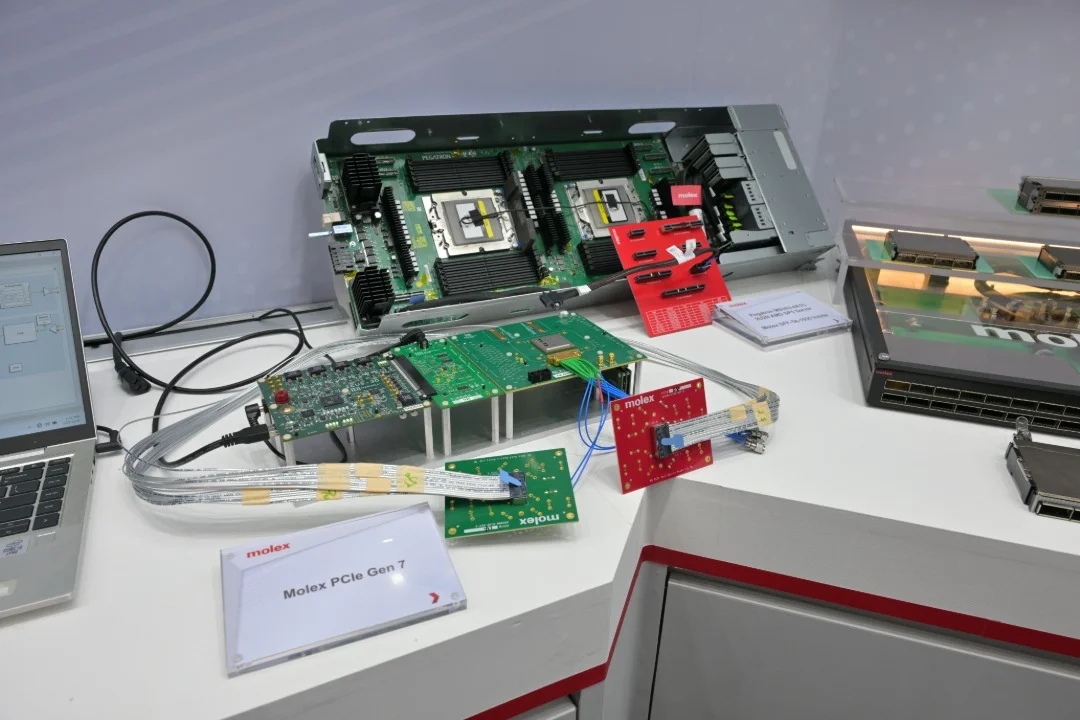
When it comes to consumer electronics, it’s a common assumption that buying the latest hardware will be enough to get you by for the next few years. But with business equipment, the question of what you’ll need next is seldom answered by a single purchase. The factors that decide how long a system stays useful can be out of the buyer’s hands, and sometimes, out of the vendor’s as well.
Nobody can say with confidence which CPU architecture will dominate which workload in the next few years, how much compute a future application will need, or which software, licensing, or security requirements will be enforced or changed within a system’s life. I/O standards are a longer game, but they can be just as uncertain.
Future-proofing is therefore not so much a property of a product than it is a change management strategy. The goal isn’t just to make hardware last longer, but also to make inevitable architectural changes less impactful.
In this article, we’ll look at a few recent cases where the future of hardware was predictable, until it wasn’t. Then we’ll go over our recommendations for organizations to soften the blow, and how our open standard can help.
When hardware wasn’t future-proof
Microsoft moved the AI goalposts
In the first half of 2024, a number of computer vendors released “AI laptops”—portables with a neural processing unit (NPU) built in. Shortly after those laptops came out, Microsoft announced an official label for AI-capable Windows laptops: Copilot+ PC. To earn the branding, a laptop had to have an NPU that delivers at least 40 trillion operations per second (TOPS). Unfortunately for their vendors and early adopters, the newly released AI laptops topped out at only 10 to 16 TOPS.
At the time of Microsoft’s announcement, neither Intel nor AMD was selling a processor that met the Copilot+ PC requirement. The first wave of Copilot+ PCs all had Qualcomm Snapdragon processors.
Broadcom squeezed more out of VMware licenses
In late 2023, shortly after acquiring VMware, Broadcom announced sweeping changes to the virtualization platform’s licensing. Not only did it end perpetual licenses, Broadcom also changed the unit of measurement from per CPU socket to per core, with a minimum of 16 cores per CPU. That meant a server with two 12-core processors would need a license for 32 cores, not 24.
The new licensing bundles also meant customers who only wanted support and security updates had to pay for additional features such as compute virtualization as well as storage, networking, and management layers, whether or not they needed them.
Arm bucked forecasts both ways
Arm’s SEC filing for the September 30, 2026 quarter claims that its server market share at the top hyperscalers rocketed from 15% in 2024 to more than 50% in 2025. Its desktop presence on the other hand has been much less successful.
In 2024, Canalys projected that 30% of PCs would be Arm-based by 2026. Arm’s CEO Rene Haas also publicly claimed that he wanted the company to secure 50% of the Windows PC market by 2029. But in the first quarter of 2025, Mercury Research put Arm at only around 14% of desktop and notebook PCs, and that figure already includes Apple’s Macs. Fast forward to September 2026 once again, and TrendForce estimates that Windows on Arm laptops account for only 3.2% of the market. While not a complete picture, Heise claims that notebooks outsell desktops by nearly 3:1, which still puts Arm’s 2026 PC market share short of its goal and Canalys’ projection.
Windows 10 puts businesses between a rock and a hard place
On October 14, 2025, Microsoft ended support for Windows 10. Businesses who wished to stay on the OS can enroll in Extended Security Updates (ESU), a cumulative expense that costs $61 per device for the first year, and doubles every consecutive year until 2028.
But the ESU isn’t just for OS security patches. The Secure Boot certificates that protect Windows systems—including virtual machines—on startup started expiring this June. It’s a sound security measure, but it does put more pressure on organizations to subscribe to the ESU, switch eligible machines to Windows 11, or upgrade to Windows 11-compatible computers.
PCIe’s lagging adoption
While this may not be an issue for many organizations, the historical gap between the latest PCIe version and the products that use it is still a prime example of the futility of future-proofing hardware.
In its 2025 launch press release for PCIe 7.0, the standard’s governing body PCI-SIG noted that it has kept its promise of doubling I/O bandwidth every 3 years. But hardware that supports PCIe 6.0 is still few and far between in 2026, never mind the latest standard, partly because of the engineering effort required to support the new PCIe versions. PCIe 8.0 is still on track for release in 2028, and may involve a new connector.
How companies can manage hardware changes or disruptions
None of the events or trends we discussed involved hardware failure or lack of capability. Instead, one or more external factors changed existing systems’ value or compatibility. These factors are out of organizations’ control, but they can adopt the following habits to lower the cost of adapting.
Use replaceable compute
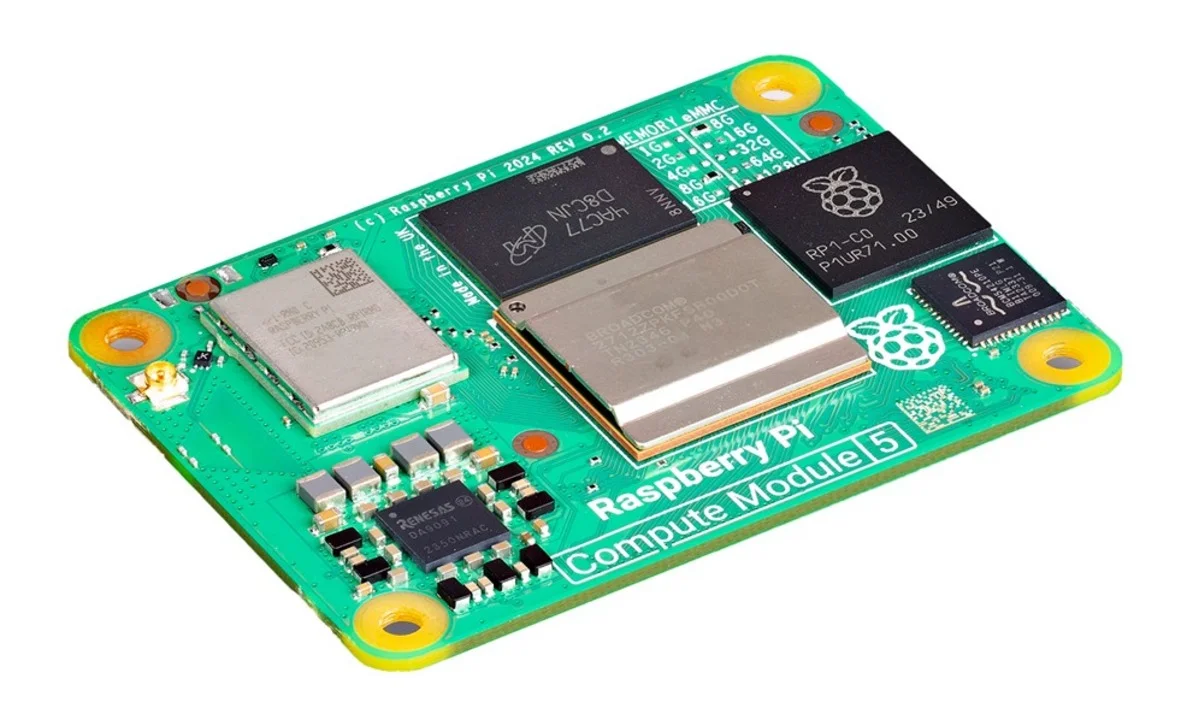
Beyond socketed processors, some organizations can look to compute components that make architectural change more targeted. Framework, for example, continues to release new mainboards that fit its laptops from 2021. Embedded modules can also be a solution. The Raspberry Compute Module 5 (CM5) keeps its predecessor’s form factor. While not fully backward compatible, CM5 is largely compatible with CM4 products.
Other Compute-on-Modules or System-on-Modules can also allow organizations to swap compute while retaining the rest of their system’s hardware, data, and installation.
Switch to standardized hardware
Standards can turn integration into a repeatable, predictable process. Open Compute Project’s Modular Hardware System subproject develops consistent interfaces and form factors aimed at creating modular hardware for data centers, enterprise, and edge infrastructure, such as the Datacenter Secure Control Module for host management.
Use devices with long lifespans
Long-term vendor commitment makes it easier to plan for hardware changes. For example, Raspberry Pi has extended the production of CM4 to at least January 2034, while it will continue making CM5 until at least January 2036.
Reduce dependence on a single platform
VMware’s licensing changes and Windows 10’s end of life are infamous examples of platform vendors upending customer’s plans and budgets. Many organizations can’t completely set themselves free from such dependencies, but it’s worth analyzing which commitments you can avoid.
Prepare for migration before you need it
Businesses can also take a couple of practical measures with existing hardware to minimize sudden changes or disruptions. Before a platform reaches the end of support, a deployment’s hardware, software, and firmware dependencies should be documented, and migration plans should be created. Keeping spare inventory is a no-brainer, but replacement components should also be tested well before they’re expected to be deployed.
How OpenSFF can help
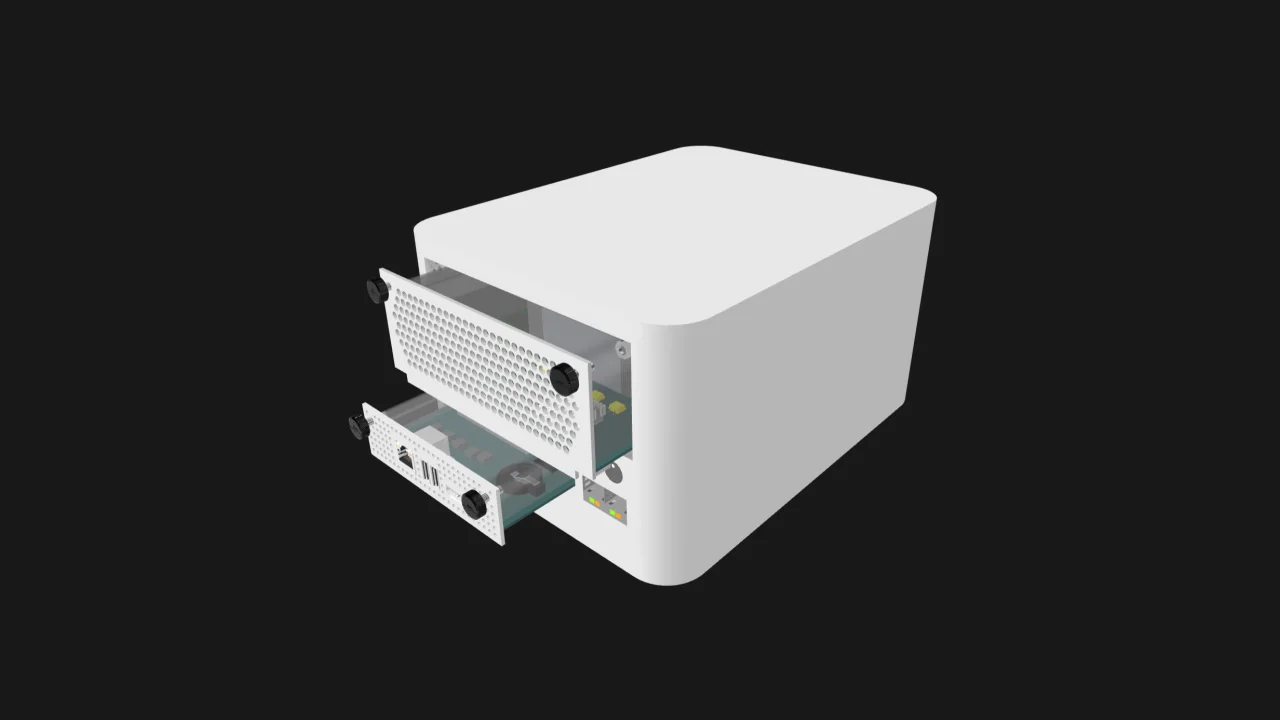
We’re a nonprofit organization developing an open hardware standard for modular, serviceable small form factor systems. Our specifications define three components: a processing module called the Compute Node, an optional management unit called the Management Module, and an electronic housing called the Enclosure. These components can be combined to create a wide range of systems, regardless of their vendors.
Modularity
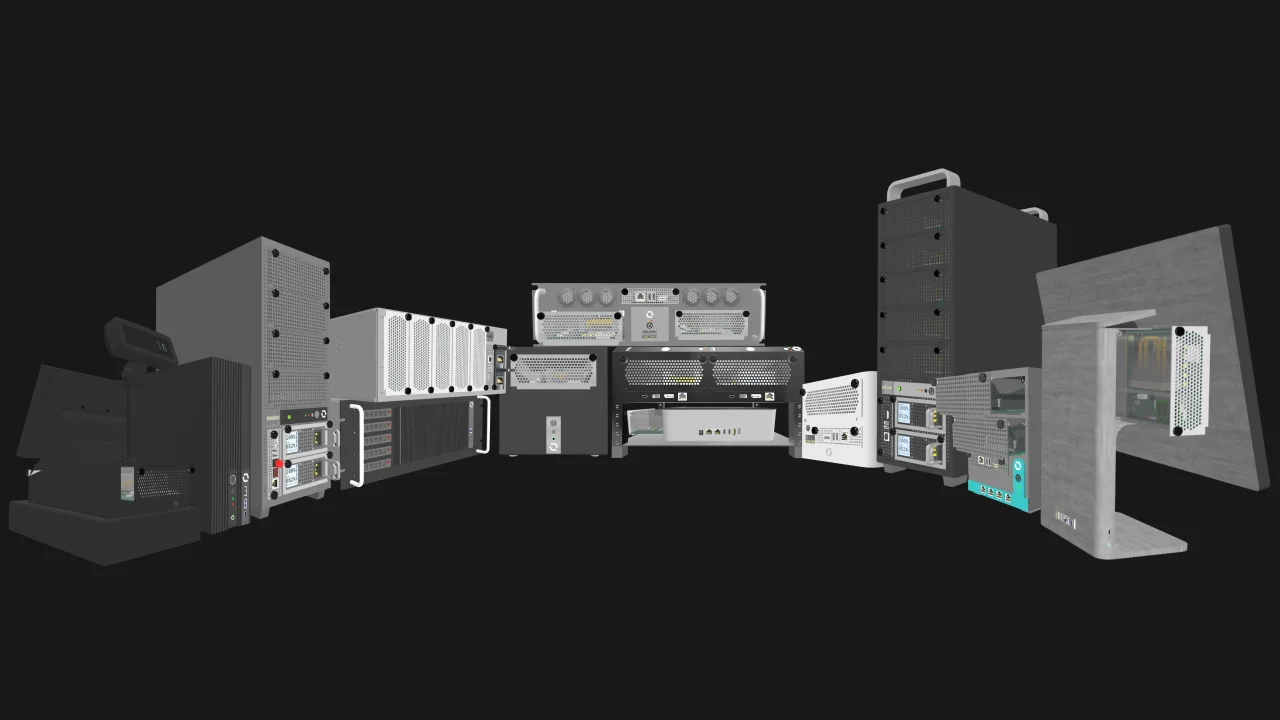
As we advised in the previous section, replaceable compute can make your organization way more adaptable to hardware changes. Our Compute Note Specification bakes that modularity into our standard, allowing a wide range of systems to have a separate, removable compute unit while retaining their Enclosure, installation, and any peripherals and cables connected to it.
Standardized interface
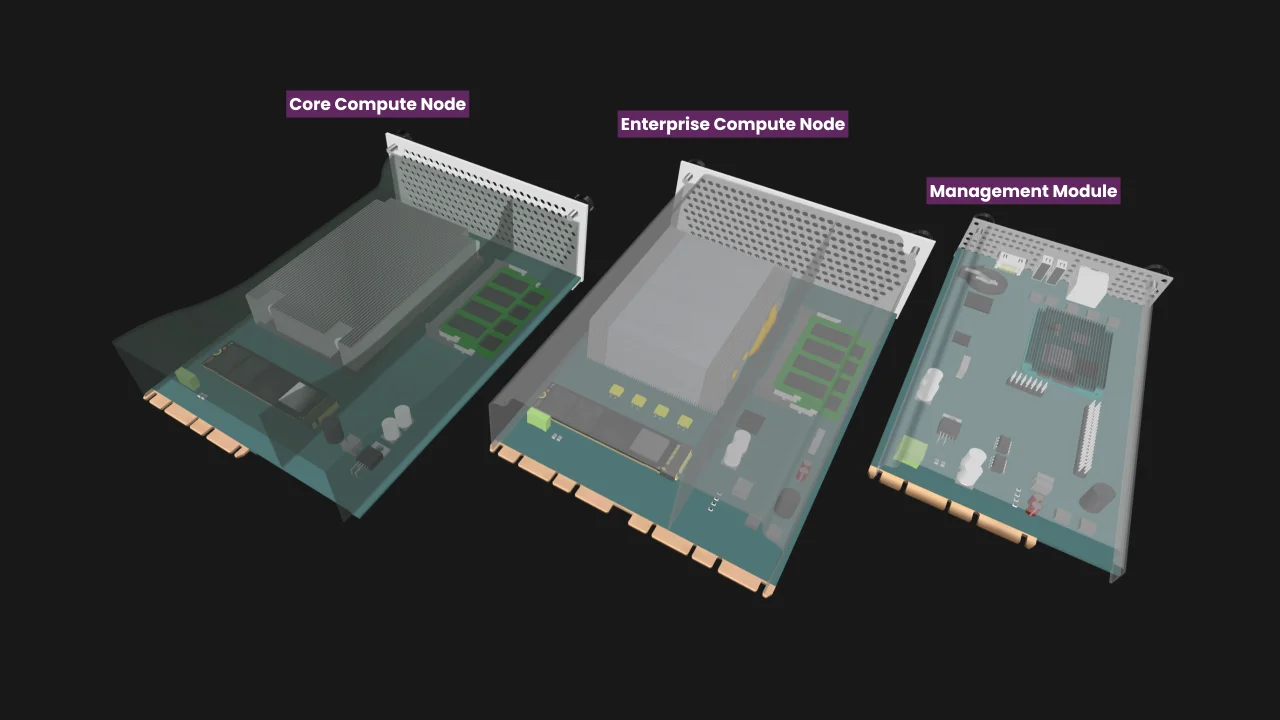
Rather than designing or allowing vendors to design a custom connector for our components, we chose to build on the SFF-TA-1002 standard, which defines a protocol-agnostic connector that is already widely implemented. Core Compute Nodes connect to Enclosures using one 4C+ connector. Enterprise Compute Nodes add a second 4C+ connector for more I/O. The Management Module also connects to compatible Enclosures using a 4C+ connector.
SFF-TA-1002 4C+ has a 112 GT/s native signaling rate, which comfortably sits above the 64 GT/s of PCIe 6.0. This provides vendors with plenty of headroom for their implementation.
Vendor-neutral
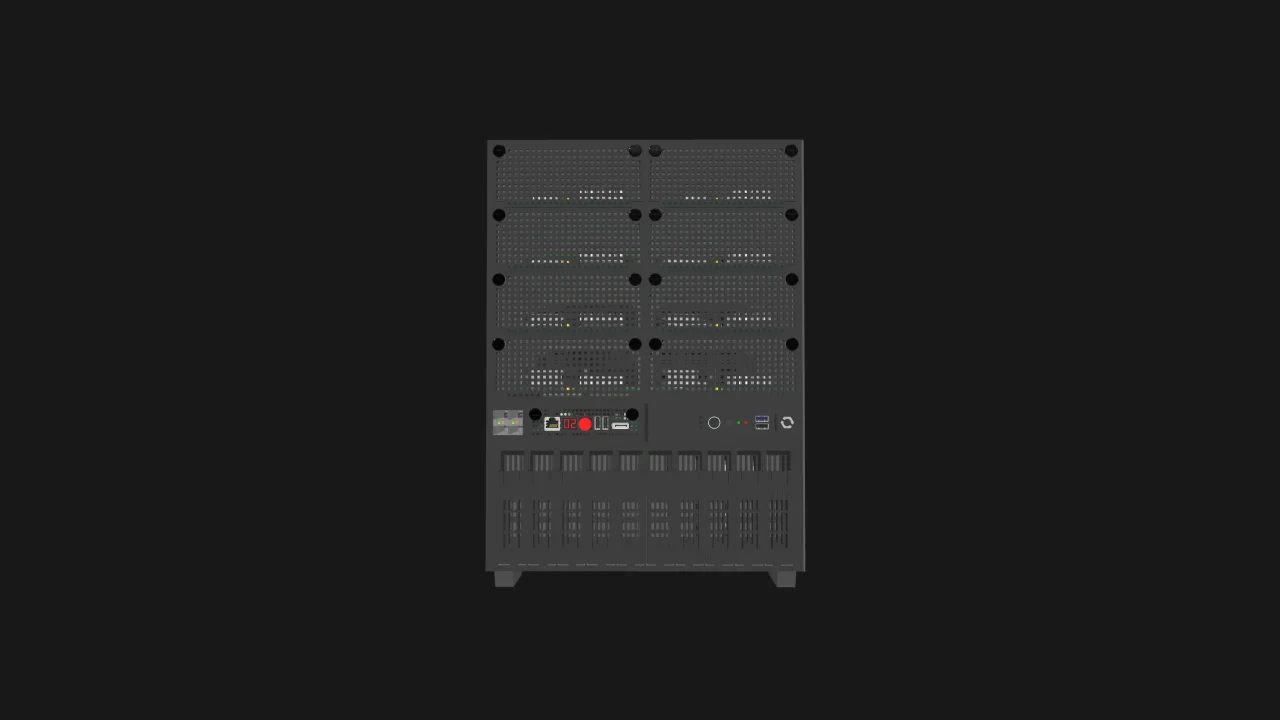
In a world with OpenSFF-compatible components, organizations can reduce their reliance on a single hardware vendor or management platform. As the OpenSFF ecosystem grows, our standard’s vendor-neutrality will facilitate competition, community support, and healthy markets for spare parts and accessories.
Floors instead of ceilings
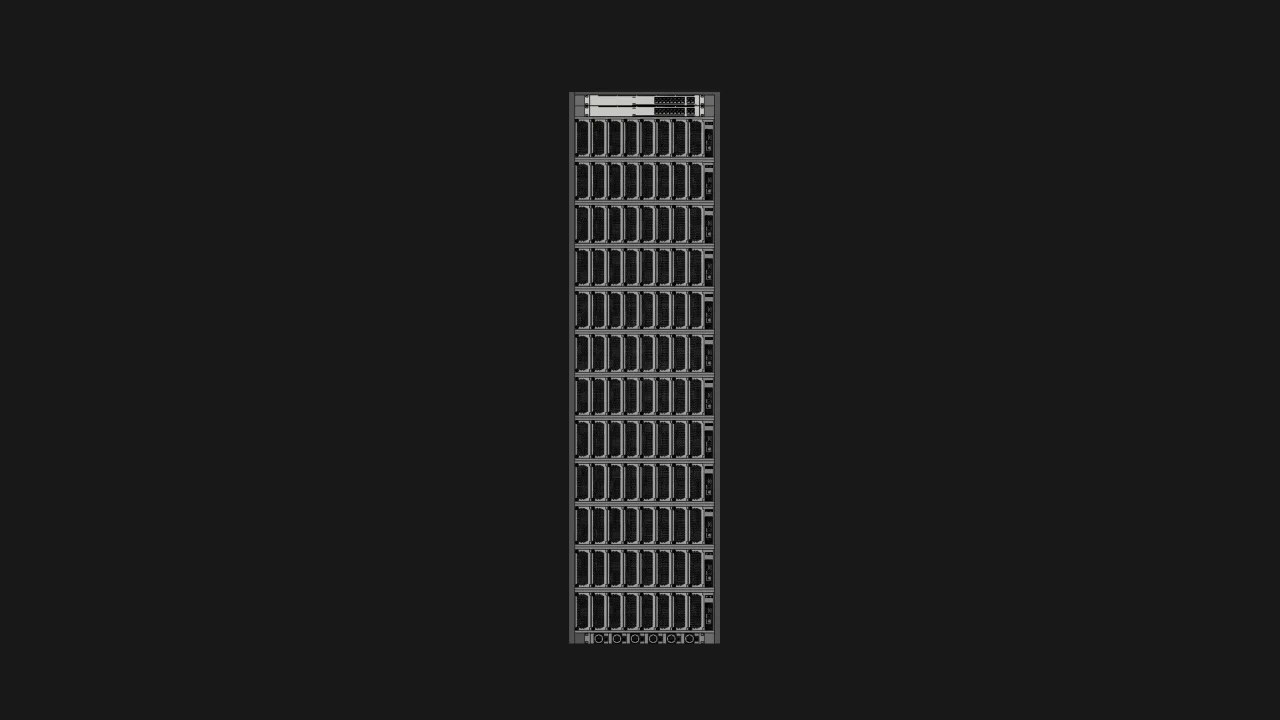
We’re developing our specifications with an emphasis on interoperability while leaving vendors free in terms of component selection and board layouts. We also set only the minimum interface requirements, allowing vendors to adopt newer standards as they mature.
Additionally, the Enterprise Connector in Enterprise Compute Nodes has a surplus of defined pins that may be used for other signals or interfaces in the future. Speaking of which, future versions of our standard may define Compute Node and Enclosure variants that support a maximum power target (MPT) that is significantly higher than the 120W MPT per node that we prescribe in the first versions of our specifications.
Build with OpenSFF
Like any hardware standard, we can’t fully provide future-proofing on our own. Neither can any vendor or product. Instead of looking for a foolproof purchase that will make their deployment last longer, organizations should instead make the inevitable hardware change more affordable. That’s where our standard can help.
We encourage you to read our specifications, and we would be grateful if you help spread the word about OpenSFF. For technical clarifications, partnerships, and other inquiries, reach out to our development team at [email protected].
Other Articles

Meet OpenSFF: an open hardware standard that enables cross-vendor compatibility, modular systems, and sustainable hardware reuse.
August 11, 2025
We go over the rise of virtualization and the open software adopted by home server enthusiasts, as well as the current challenges and the future of the hobby.
September 06, 2025

Learn why OpenSFF adopted the SFF-TA-1002 connector standard and how it enables our vision.
September 18, 2025