Blog
Adaptive Charge: The Flexible Power Design of OpenSFF Core Enclosures
Introduction
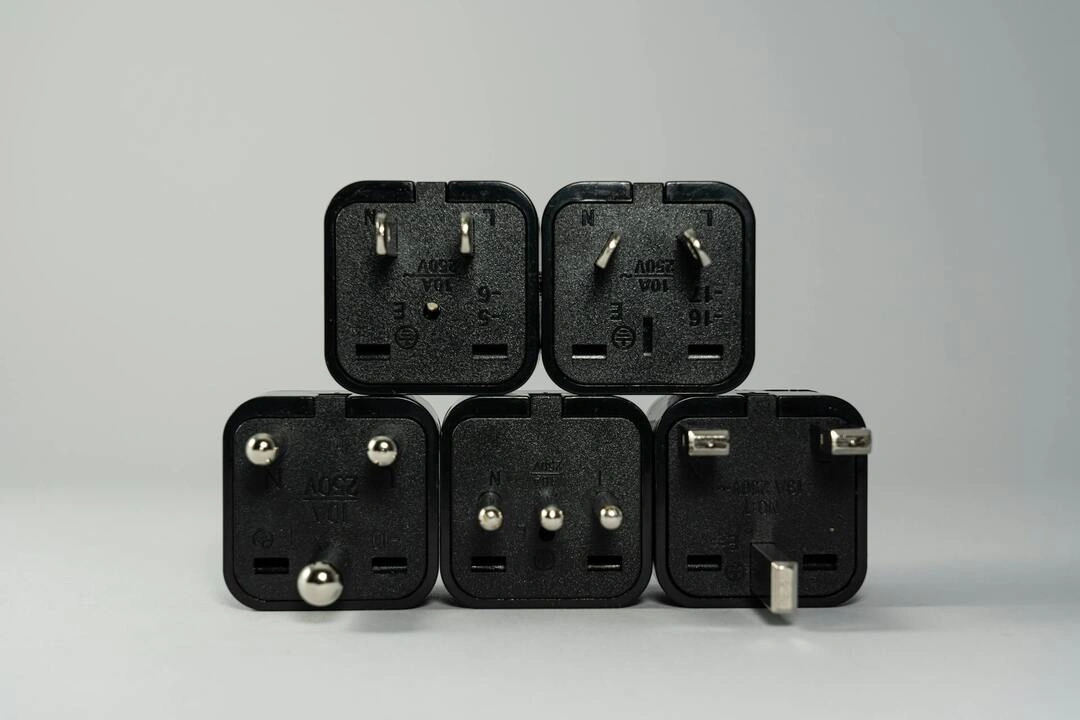
We previously showcased the flexibility and adaptability of Core Enclosures in terms of use case. In this article, we are going to focus on the power delivery options that manufacturers have when designing Core Enclosures.
Enterprise Enclosures require centralized power distribution. They must also support redundant power configurations and hot-swappable power supplies. Finally, they need to supply at least 50W to the Management Module slot. In contrast, Core Enclosures give manufacturers the freedom to align power delivery with other requirements or objectives, such as their desired form factor, node count, or use case.
Whether you are designing a compact thin client, a performance-oriented workstation, or a multi-node office cluster, OpenSFF lets you optimize your Core Enclosure for your specific goals.
What the specifications require
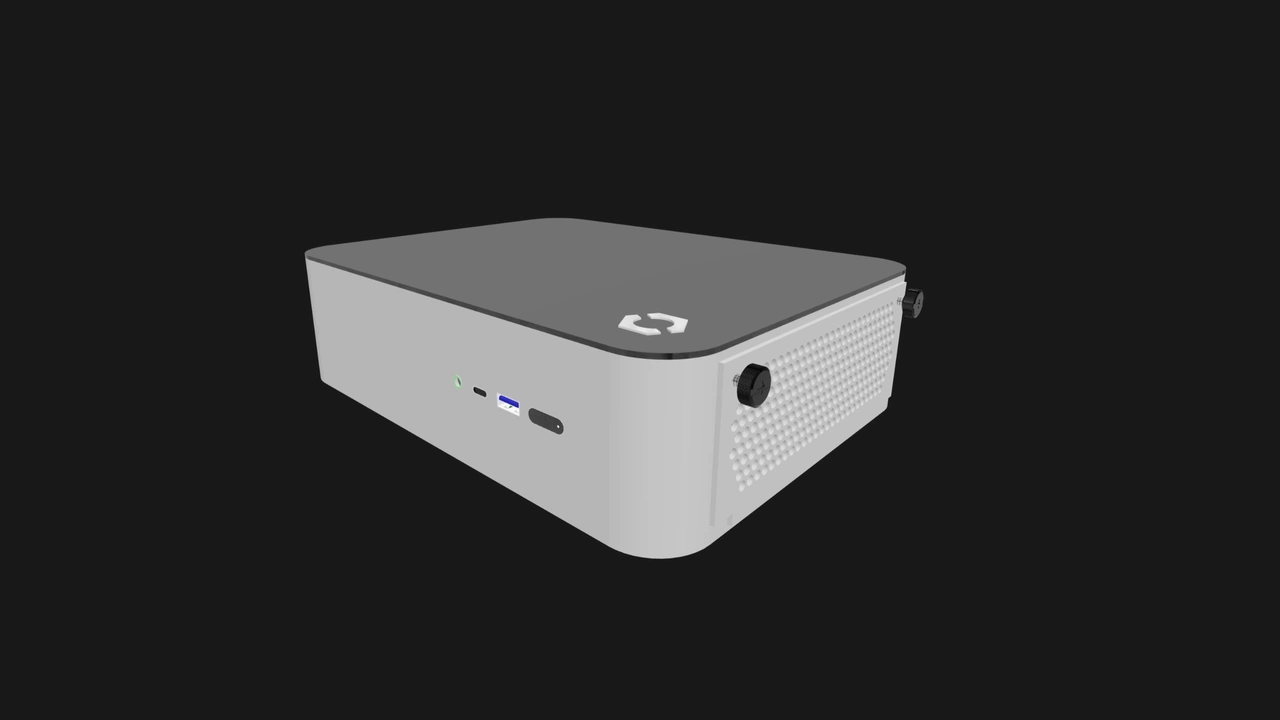
Before exploring power delivery options, let us clarify what OpenSFF mandates for Core Enclosures in this regard. The power delivery configuration of a Core Enclosure must:
- Deliver at least 120W to each Compute Node slot
- Supply 12V DC to the Core Connector
- Meet the defined safety and electrical compliance requirements
- Not interfere with node removal, servicing, or replacement
OpenSFF does not place restrictions on:
- Enclosure dimensions
- PSU form factor or mounting location
- Cable routing or management
This balanced approach maintains our core pillars of interoperability and serviceability while providing plenty of design headroom.
The power delivery spectrum
Let us walk through the range of power delivery approaches available for Core Enclosures, from the smallest and simplest to more complex integrated solutions.
External power: Maximum flexibility and minimum footprint
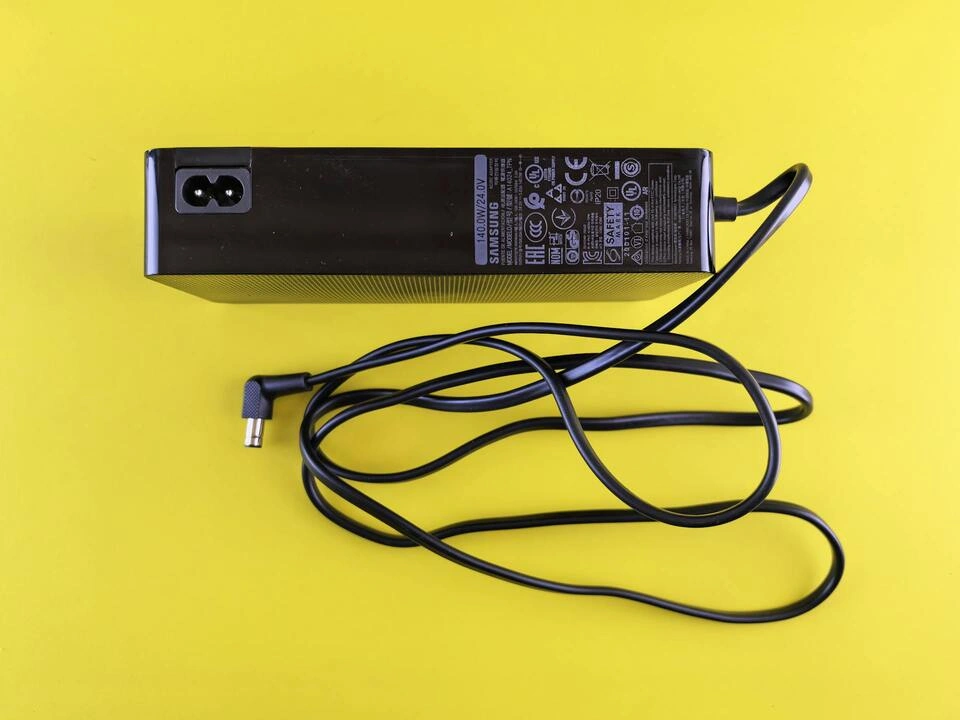
If a small Enclosure footprint is the priority, an external power supply unit (PSU) is often the optimal choice. Manufacturers simply need to add onboard DC-to-DC conversion to step down the voltage to 12V. In addition, external power supplies can help make field servicing significantly easier. If the power brick fails, users do not need to open the Enclosure to replace the adapter.
- 19V barrel jack and laptop-style power bricks
For single-node and compact two to three-node systems, external laptop-style power adapters offer a proven, widely available solution. These 19V DC bricks are commodity parts with great power density, and help create compact systems.
For example, the 2025 ASUS ROG Strix SCAR 18 can be configured with an NVIDIA RTX 5090 Laptop GPU and an Intel Core Ultra 9 275HX CPU. This high-performance laptop comes with a 380W power brick.
The SCAR 18 is more of a desktop replacement than a portable machine, but it is still a compact build given its capabilities. It also represents the maximal end of this approach. Lower power requirements (and a headless form factor) can easily result in a smaller system with a smaller power brick.
- USB-C power delivery
USB-C PD is also an option worth considering for single or dual-node systems. Modern Gallium Nitride (GaN) adapters pack impressive wattage into a surprisingly small package. USB-C cables are even more widely available than barrel jack cables and are easy enough for non-technical users to procure and replace.
The USB PD Revision 3.1 specification enables up to 240W of power via USB-C. As the USB standard evolves, this option may become viable for a broader range of OpenSFF systems.
Internal power: Integrated and scalable
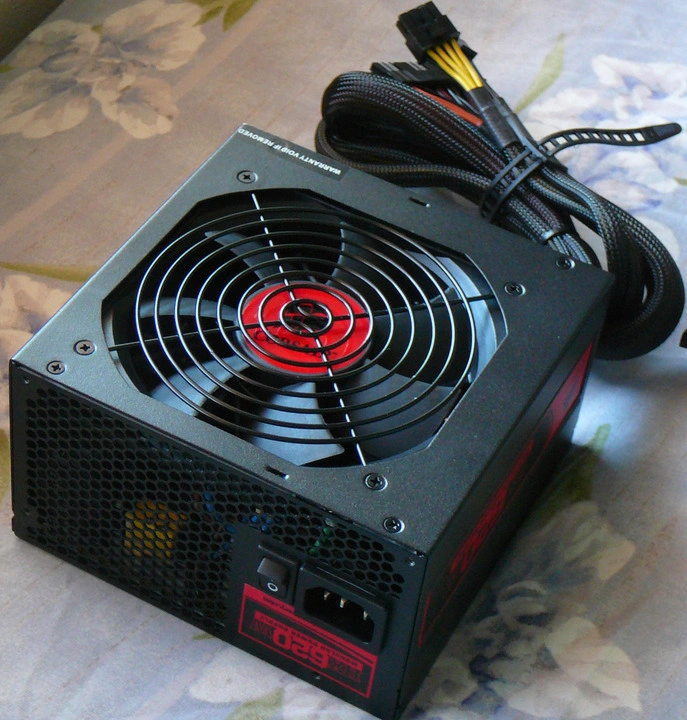
For Core Enclosures designed to accommodate more than three Compute Nodes, internal power is the optimal choice. Ruggedized and other specialized form factors may also benefit greatly from internal power supplies. Further, this approach gives manufacturers the option to provide more robust and reliable PSUs while staying within the Core class.
- ATX, SFX, and SFX-L
Multi-node Core Enclosures can easily be powered by ATX PSUs. This route offers exceptional availability and value, as these power supplies are proven and widely stocked. A 650W ATX PSU is more than enough for five Compute Nodes. SFX and SFX-L variants provide similar capacities for smaller Core Enclosures.
- Flex-ATX
This PSU occupies the middle ground between compact and capable. Originally designed for 1U servers, Flex-ATX PSUs deliver impressive power density for rackmount or even smaller builds.
This form factor typically delivers between 300W to 600W. Depending on the model, Flex-ATX PSUs may be more expensive or noisier than consumer-grade ATX PSUs. But it can be the better option for two to four-node systems.
- PS/2 Mini Redundant
Part of the flexibility of Core Enclosures is that they can adopt some of the Enterprise Enclosure’s strict reliability requirements. With their load distribution and hot-swap features, PS/2 Mini Redundant PSUs allow for enthusiast or commercial-grade Core Enclosures.
- Custom solutions
Proprietary embedded power supplies may be required for highly integrated or specialized Core Enclosure designs, such as edge systems or network appliances. As long as they do not interfere with the serviceability of Compute Nodes, manufacturers are free to innovate and use custom solutions.
Deciding on a power strategy
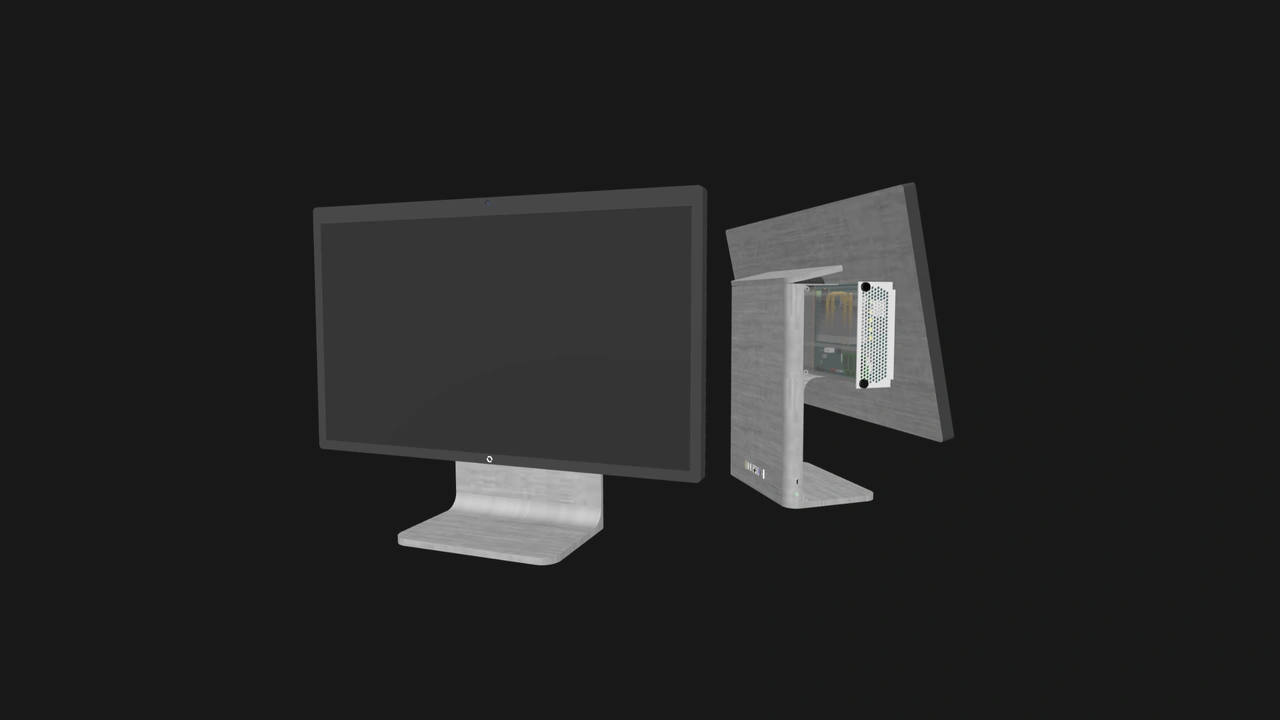
Manufacturers can prioritize the primary features or objectives of their Core Enclosure, allowing them to be naturally guided toward the best power delivery option for their design.
Form factor
A Core Enclosure’s physical size will often be the primary constraint for power delivery. A compact, mountable Enclosure may be best paired with an external power supply, while a significantly larger Enclosure will likely have enough room for an internal power supply.
Node count
Single and dual-node systems can easily opt for external power adapters, while systems that support more than three Compute Nodes should aim for internal PSUs. Top-of-the-line ATX PSUs can supply up to 2200W. SFX, SFX-L, and Flex-ATX trade a lower power ceiling for a smaller size.
Use case
Different settings favor different approaches. A manufacturer may opt for an internal PSU even for a single-node Core Enclosure. The integration can help create a sleek and professional aesthetic. Similarly, a ruggedized system may be optimally designed with an internal PSU. Meanwhile, a Core Enclosure aimed at home server enthusiasts may be best equipped with widely available ATX PSUs, or offer reliability through PS/2 Mini Redundant PSUs.
Serviceability
External power supplies make replacement and troubleshooting trivial at the expense of external cabling and bulk. Internal power supplies provide more power and can make for visually attractive systems, but require more steps to service.
Sample configurations
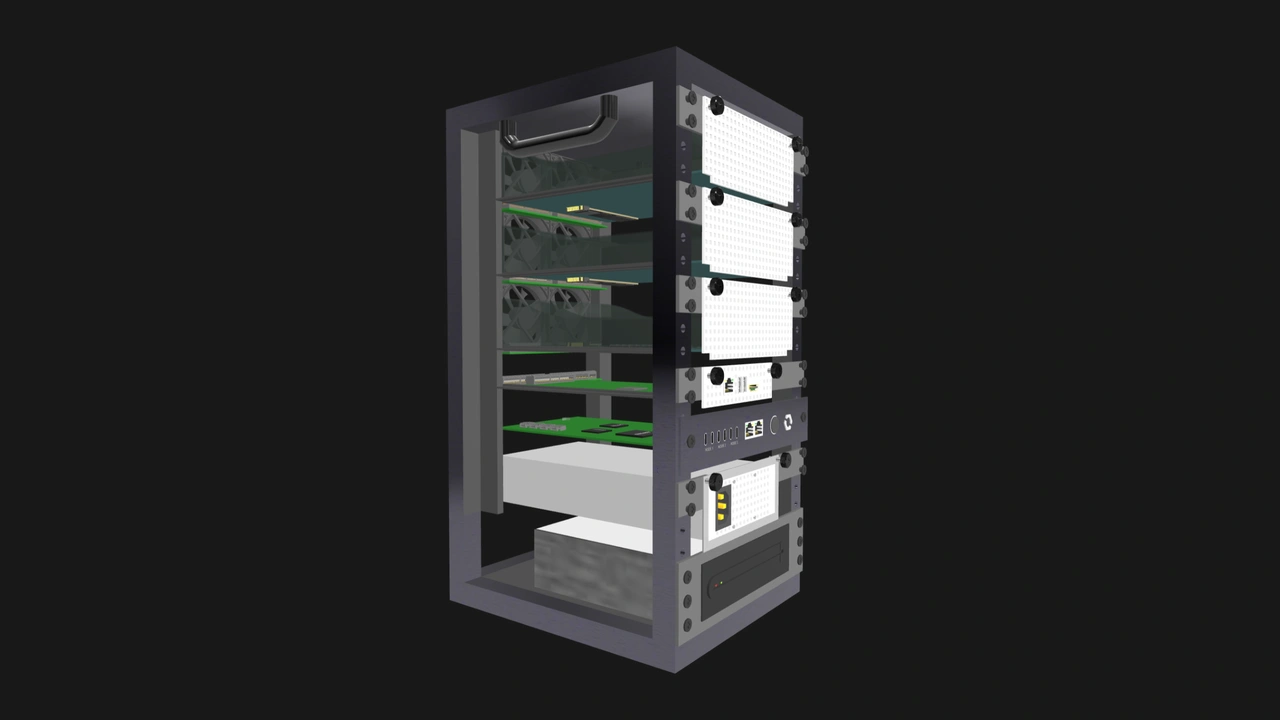
Compact homelab
A dual-node Core Enclosure powered by a 19V laptop-style power brick. It would make for a great media server and home automation manager that can easily fit on a bookshelf.
Office cluster
A four-node tower-style Core Enclosure powered by an ATX PSU. This system can replace multiple traditional desktop workstations for a small business. The PSU’s wide availability makes procuring replacements or upgrades simple.
Edge appliance
A single-node slim Core Enclosure for retail locations powered by a 140W USB-C GaN charger. In a pinch, retail staff can purchase a replacement cable or adapter at nearby electronics stores and service the system on their own.
Build with OpenSFF
When it comes to power delivery, OpenSFF defines interfaces, not implementations. Our specifications mandate what matters for interoperability, serviceability, and scalability. The main requirements are straightforward: 120W per node slot delivered via 12V DC. How manufacturers implement and optimize their design is up to them.
We encourage you to read our specifications, and we would be grateful if you help spread the word about OpenSFF. For technical clarifications, partnerships, and other inquiries, reach out to our development team at [email protected].
Other Articles

Meet OpenSFF: an open hardware standard that enables cross-vendor compatibility, modular systems, and sustainable hardware reuse.
August 11, 2025
We go over the rise of virtualization and the open software adopted by home server enthusiasts, as well as the current challenges and the future of the hobby.
September 06, 2025

Learn why OpenSFF adopted the SFF-TA-1002 connector standard and how it enables our vision.
September 18, 2025