Blog
Unit Economics: The Hidden Costs of Hardware Replacement
Introduction
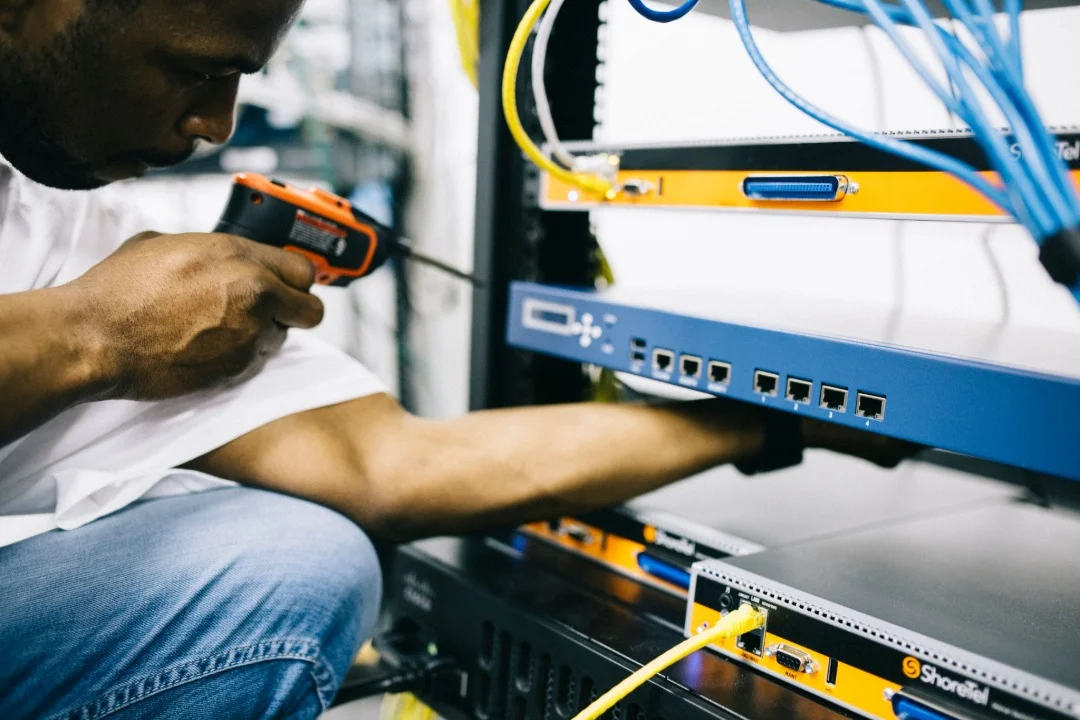
A POS terminal freezing in the middle of peak hours. An industrial PC crashing and halting production. A hospital kiosk going dark in the dead of night. When hardware fails, businesses mainly have four options: replace the system with a matching unit, replace it with a different model, send it away for repair, or have only the computer’s board fixed, if that’s even possible.
Each option comes with a unit price or repair quote, but there are other costs that don’t readily appear on the books. Downtime, reconfiguration, the goodwill of customers, and more. Some of these hidden costs are hard to measure, which can make the problem worse and bound to rear its head again in the future.
Not every cost applies to every business, but every business that depends on computers will run into some of them. Together, they can add up to far more than the price of a replacement unit. Let’s go over the biggest hidden costs of replacement, and how OpenSFF can relieve businesses by portioning hardware swaps.
Downtime
This is usually the largest hidden cost, but we admit that concrete figures across industries are hard to come by. The ones published online relate to outages at large enterprises or plants instead of a single system failure. But that underscores the problem rather than minimizes it. In a 2024 survey of over 1,000 firms, consulting firm ITIC found that only 22% of respondents can accurately assess what an hour of downtime costs them.
Siemens’ 2024 report shares some figures in industrial contexts, claiming that an hour of unplanned downtime can cost around $36,000 in fast-moving consumer goods plants, and up to $2.3 million in automotive plants. The report also says that getting production back up takes 81 minutes on average. For retail, New Relic’s 2025 survey of 147 respondents found that the median cost of a “high-impact outage” was $1 million per hour. The first part of ITIC’s research on downtime claims to have a broader average, saying that the average cost of downtime for over 90% of mid-sized and large companies is more than $300,000 per hour.
Technician dispatches
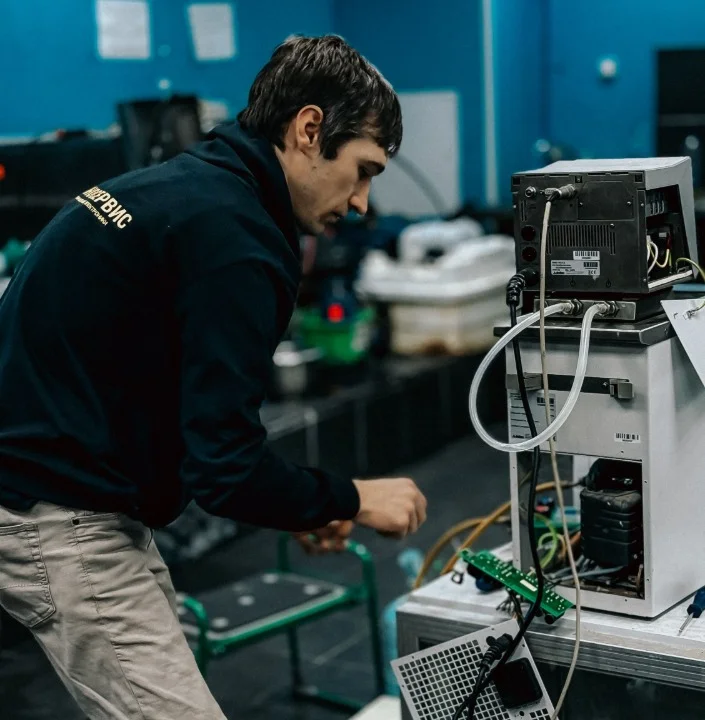
IT staff are not always on-site to diagnose and repair broken hardware. In a blog post, field-service software vendor XOi cites an estimate from the Technology & Services Industry Association that a dispatch can cost around $1,000 total when fuel, maintenance, and overhead are accounted for alongside labor.
In its article on kiosk maintenance, Kiosk Marketplace reminds businesses that they should also track repeat service calls or how many problems are resolved on a technician’s first visit. Naturally, a fix that takes two trips costs more than one that is resolved in a single visit.
Reconfiguration and redeployment
Replacing broken hardware is rarely a plug-and-play affair. Operating systems and applications need to be installed and settings need to be configured before normal operation resumes. In some cases, the replacement unit also triggers a series of hardware replacements. POS vendor Rosper Tech notes that moving from a Windows 10 POS system to one that runs Windows 11 can also involve replacing peripheral devices such as printers and card readers, which can cost several hundred dollars per station.
When the replacement unit is a different model, IT staff or service providers may also need to retest the applications or management tools that the business uses. Mechanical details such as layout, mounting, and cabling may also need to be worked out once more.
Replacement inventory
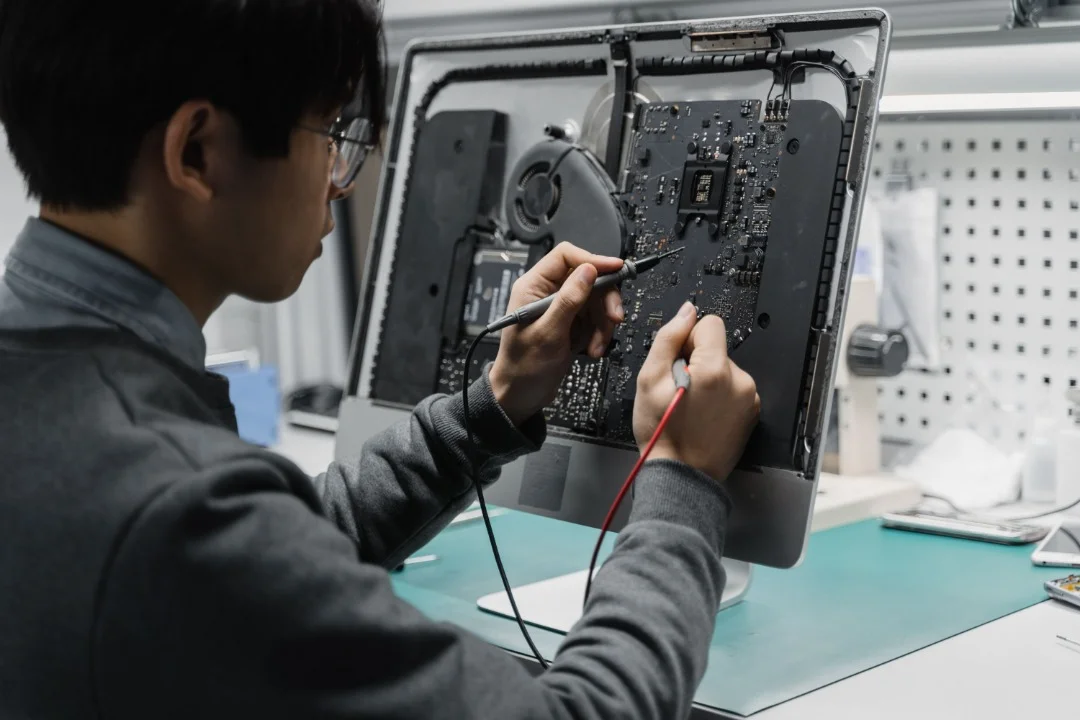
Many businesses can’t afford to stand still when hardware fails. Receiving a repaired unit can take anywhere from several business days to a month after it’s sent away, especially once we factor in shipping time. Spare units provide an emergency buffer for these organizations. Piicomm, a device lifecycle management company, claims that businesses typically stock replacement units equivalent to 5% to 10% of the deployed fleet. POS repair company Washburn Computer Group suggests having at least one spare per 15 to 20 active devices that are critical to operations.
Beyond the sticker price, businesses also have to account for the cost of pre-configuring, storing, and documenting spare units.
Disposal
For a business, even disposal can be an expense. According to the nonprofit IT asset disposition (ITAD) organization Human-I-T, ITAD services charge $50 to $150 per server that they handle, and $5 to $15 per drive that they securely wipe or shred. Fees vary across regions, but any unit with storage has to have its data handled properly before it’s disposed of. There are also logistics fees attached to disposal.
Customer experience and perception
Kiosk Marketplace reminds businesses that repeated kiosk failures can make customers lose faith in self-service, sending customers back to staff on succeeding visits. Observability software maker Splunk published a blog post about the other lasting effects of downtime or failed devices. The company claims that chief marketing officers have reported an average of 60 days for a brand’s reputation to recover from downtime, and that a large company’s stock price drops by 2.5% on average after only a single downtime event.
How OpenSFF can help
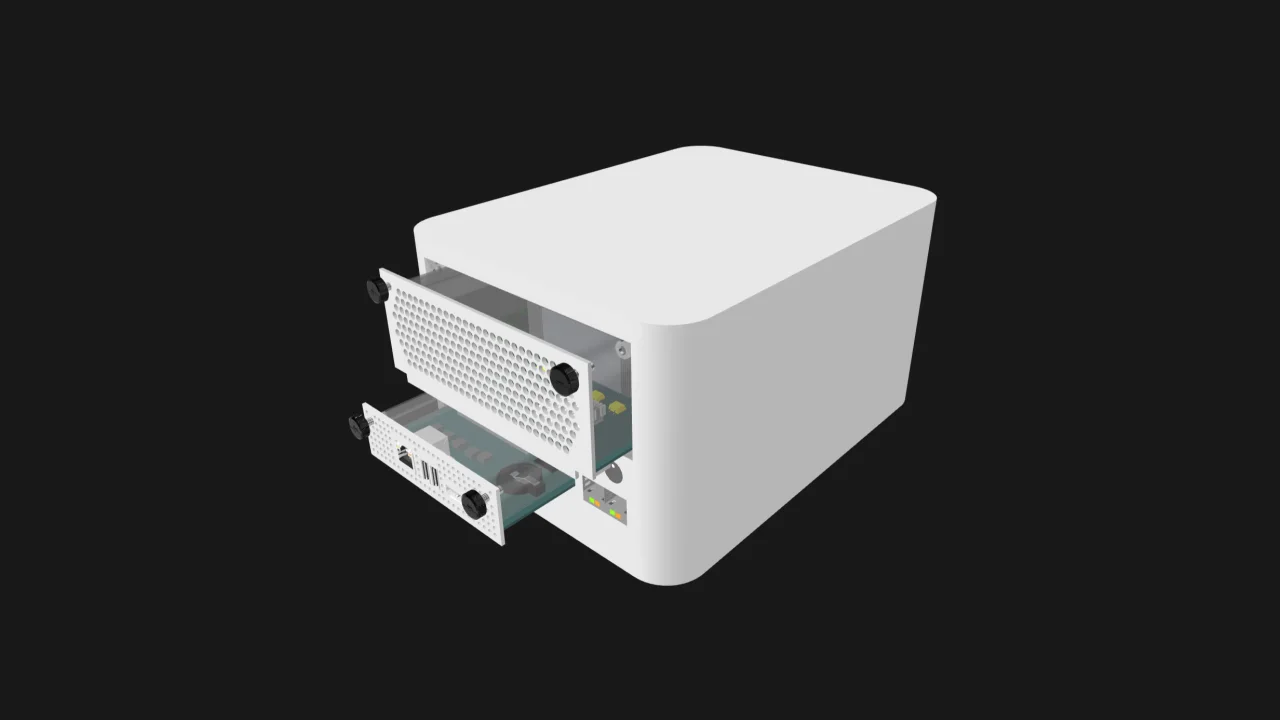
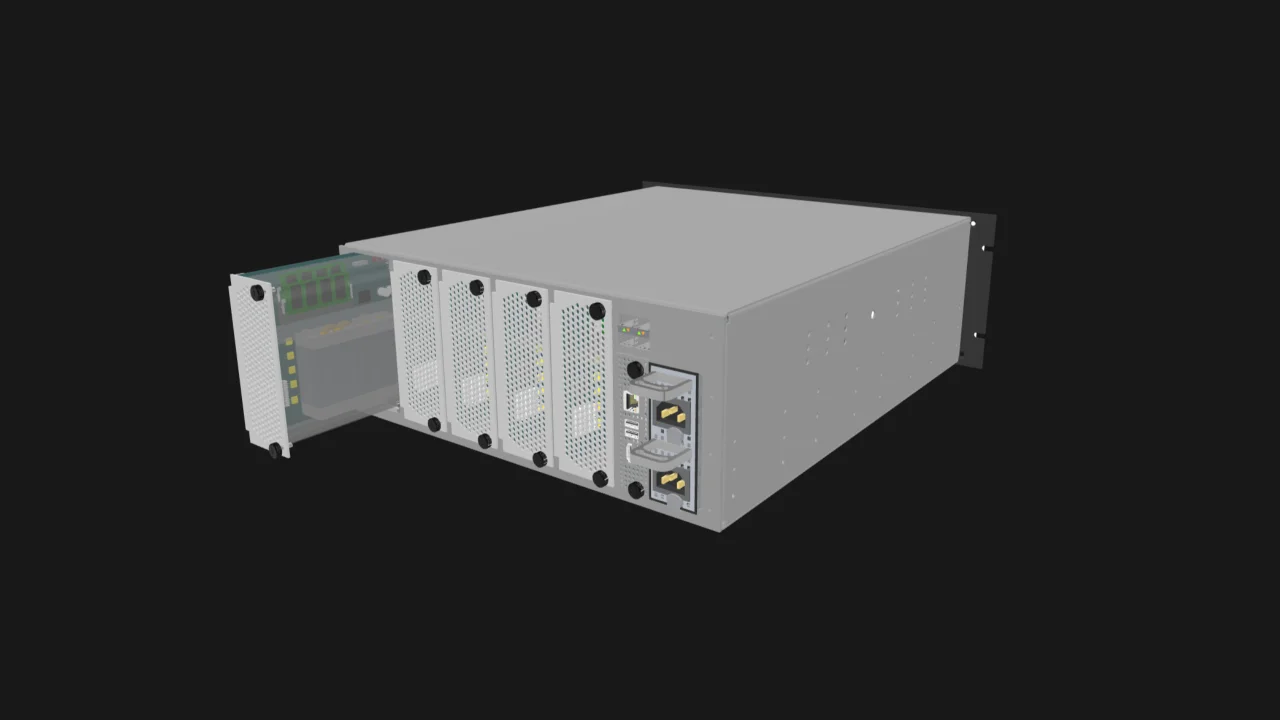
We’re a nonprofit organization developing an open standard for modular, serviceable, and scalable small form factor systems. Our hardware specifications transpose the general architecture of blade servers into a smaller scale by defining three core components. The Compute Node is a processing module that gets power, cooling, and network access from an Enclosure, which can house one or multiple nodes. The Management Module provides standardized node management in Enclosures that support it. Vendors can adopt our standard to create servers, kiosks, industrial controllers, and other edge devices.
Modularizing the unit of replacement
Each OpenSFF component is independently replaceable. In a world with OpenSFF-compatible systems, instead of swapping an entire unit, businesses can swap only the Compute Node for compute-related failures. They can replace only the Enclosure for problems related to the chassis, I/O, or the backplane. They can upgrade only the Management Module to gain more advanced management capabilities, and without disassembling the Enclosure or touching installed nodes.
How this approach mitigates hidden costs
Making the replacement unit more localized to the issue shrinks many of the hidden costs we discussed. The standardized mounting, blind-mate connectors, and captive thumbscrews of Compute Nodes and Management Modules make it easier for technicians or even general staff to swap components. Advanced versions of the Management Module can offer IP-KVM, node monitoring, and power control, reducing the need for truck rolls on a variety of devices and appliances.
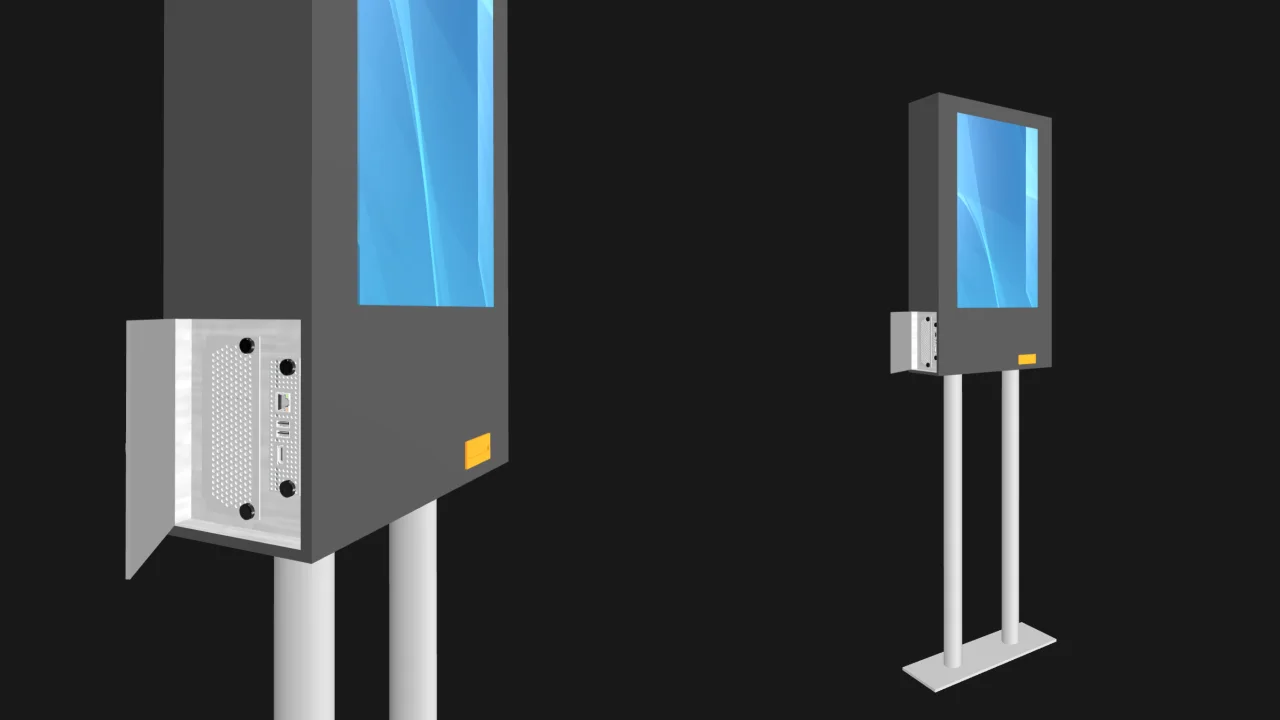
Our modules can also save businesses space and cost when stocking replacement parts. Instead of stocking an entire system, some companies can stock up only on Compute Nodes. Because any Compute Node will be compatible with any Enclosure, one node may even be able to cover more than one device category. Businesses and service providers may also save on shipping costs for repairs, since a failed node will be much smaller and lighter than an entire system. That also means there’s less e-waste for ITAD providers to dispose of, which could be cheaper than disposing of a full unit.
Build with OpenSFF
Replacing a computer often costs far more than the replacement’s price. When purchasing or refreshing hardware, it’s worth assessing and documenting which of these hidden costs are most likely to apply.
Our standard can’t eliminate these costs altogether. What it does is change the scale of replacement and help cascade that reduction to these hidden costs. We invite you to read our specifications, and we would be grateful if you spread the word about OpenSFF. For technical clarifications, collaborations, and other inquiries, reach out to our development team at [email protected].
Other Articles

Meet OpenSFF: an open hardware standard that enables cross-vendor compatibility, modular systems, and sustainable hardware reuse.
August 11, 2025
We go over the rise of virtualization and the open software adopted by home server enthusiasts, as well as the current challenges and the future of the hobby.
September 06, 2025

Learn why OpenSFF adopted the SFF-TA-1002 connector standard and how it enables our vision.
September 18, 2025