Blog
Specced for Sustainability: How OpenSFF Can Help Reduce E-waste
Introduction

From edge computing solutions to server nodes, small form factor computers provide significant advantages in many aspects, not least of which is power consumption. Unfortunately, they are no better when it comes to servicing and disposal. Just like their larger counterparts, the majority of small computers are hard to repair and even harder to recycle.
In their article on the effect of electronics design on e-waste, Sustainability Directory said, “The discourse surrounding electronic waste often fixates on technological solutions: advanced recycling processes, material innovations, and novel waste treatment methods. While these are undeniably important, perhaps a more disruptive and ultimately impactful approach lies in questioning the very premise of our current electronics consumption model.”
OpenSFF was founded on a similar thought: what if multi-node systems were designed from the ground up to be repairable and reusable?
The worsening state of e-waste
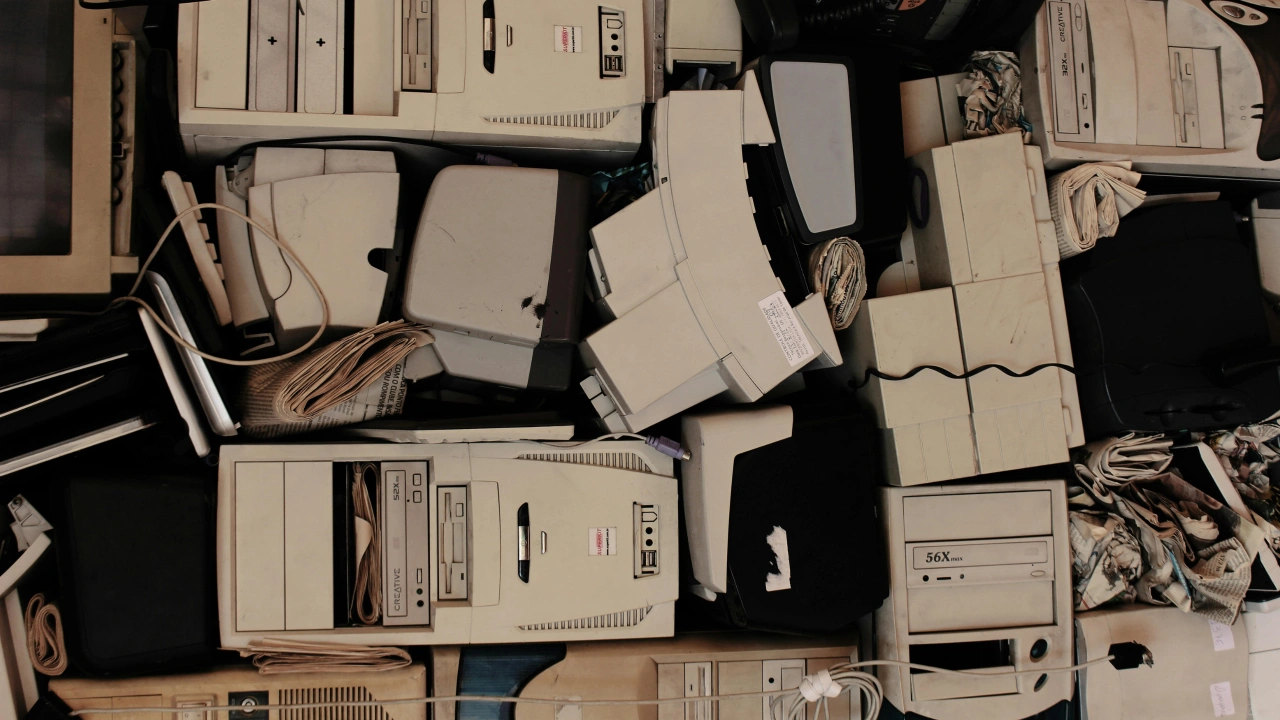
E-waste is the fastest growing type of waste, outpacing plastic and textile scraps. According to the United Nations Institute for Training and Research (UNITAR), we generated 62 million metric tons of e-waste globally in 2022, with only 22% properly collected and recycled. The organization actually expects that rate to decrease in the coming years, simply because recycling efforts cannot keep up with the production of electrical and electronic equipment (EEE) and their resulting waste.
In the United States, the recycling rate for e-waste is at a mere 12.5%. But the country’s reuse rate is even more troubling. ERI, a major IT asset disposal company, reported that they processed 124 million pounds of electronics in 2023, but only 3.6 million pounds were marked for reuse. That is barely 3%, in a country with an already robust and thriving used electronics market. We can only imagine how much worse the numbers are in other countries.
Recycling e-waste is an uphill battle
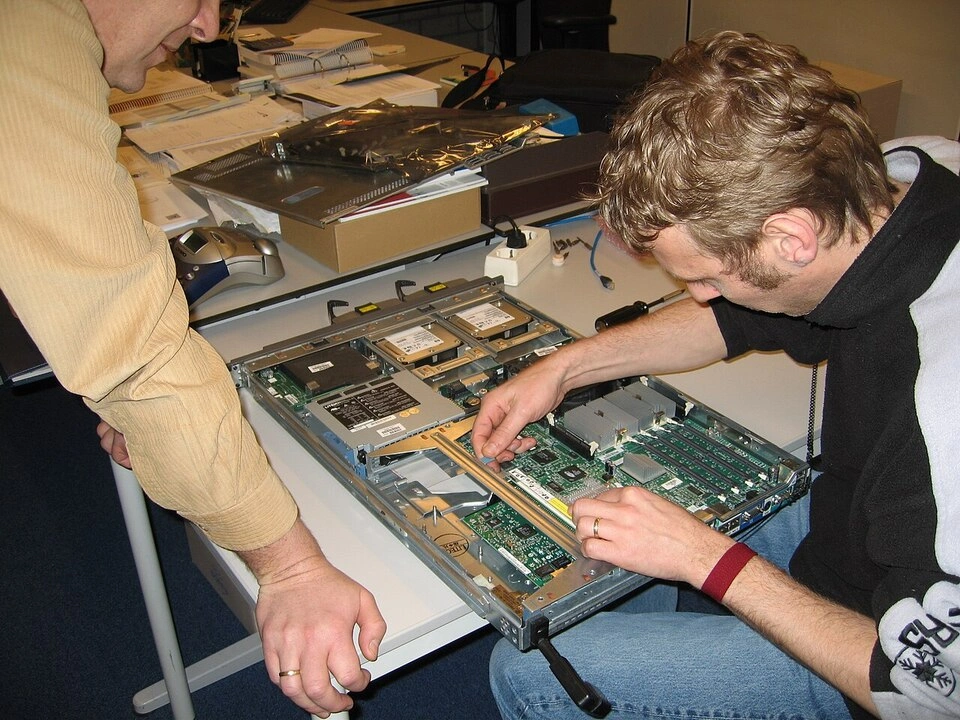
It is easy to see why the focus on managing e-waste has been on recycling rather than on repairing or reusing. When you throw away e-waste, you are throwing away money. Boston Consulting Group estimates that there is $4 billion worth of copper, palladium, and gold in the United States’ annual e-waste pile alone.
But the current methods for transporting, sorting and processing e-waste are costly and labor-intensive. UNITAR also points out that whatever value we extract from e-waste is more than offset by the health and environmental costs of these processes. Especially because about 30% of e-waste is ultimately processed and disposed of in low- and middle-income countries with few policies on managing it properly.
As UNITAR discussed in their 2024 E-waste Monitor report (PDF), the e-waste recycling situation is so dire that governments are coming around to the sensibility of repair and empowering consumers to increase the lifespan of their purchases: “For many years, the overall perception of policy-makers has been that they cannot influence the design of EEE with a view to extending its lifetime; the environmental footprint of the production phase remains enormous. There is nevertheless mounting evidence of new policy developments in several parts of the world that encourage the right to repair. For example, in the United States of America many states have begun working on specific legislative proposals, while in the European Union, the European Commission has published a proposal for a directive on common right-to-repair rules. The aim is to prioritize repair over replacement and to give consumers the right to have faulty products repaired by manufacturers.”
But just as there is potentially money to be made in extracting precious metals out of e-waste, certain parties also have a financial incentive in lionizing recycling over other methods of sustainability. Because if customers cannot repair or reuse, their only remaining option is to replace.
The push to buy new systems
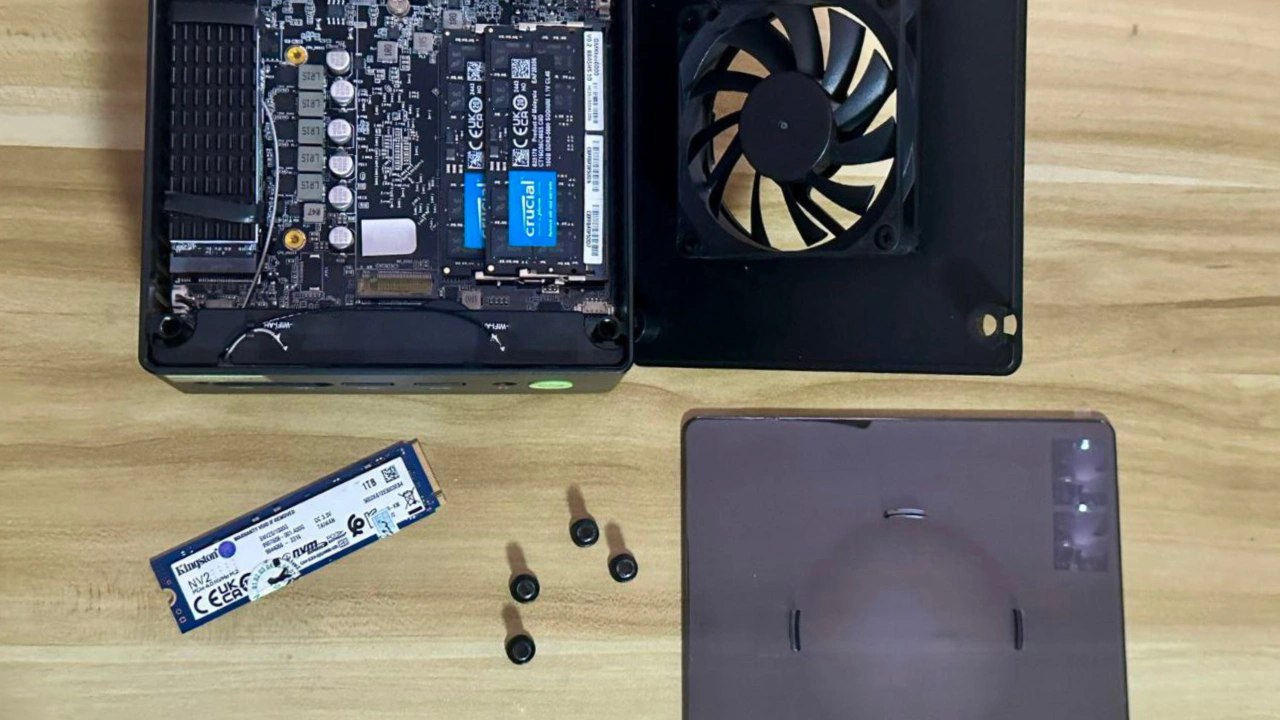
In their article, Sustainability Directory honed in on the current priorities when designing electronic equipment: “The concept of product lifespan, a central determinant of e-waste volume, is intrinsically engineered through design. Planned obsolescence, a contentious yet pervasive practice, manifests in various design strategies that intentionally limit product durability or functionality. These strategies, ranging from the use of fragile components to software updates that render older hardware incompatible, are not accidental byproducts of technological progress but deliberate design choices with demonstrable economic and environmental ramifications.”
The situation with small and multi-node systems is not as insidious as it is in certain consumer electronics such as smartphones. However, it is still clear that sustainability takes a backseat to business needs when designing, deploying, and replacing these systems. Proprietary designs and software, glued or soldered components, insufficient documentation, the list goes on.
It is no surprise that businesses and customers are being conditioned to replace their computers rather than repair them. In the US, businesses are advised to replace their computers every 3 to 4 years. US-based companies that lease their hardware are even more aggressive with their refresh cycles, opting to replace their computers in just 2 to 2.5 years.
Despite enterprise servers being fundamentally modular, in many cases companies still end up completely replacing their hardware regardless of their actual needs or their system's overall condition. The effort and downtime involved incentivize IT teams to perform major upgrades alongside migration projects, periods with low traffic, or when certain parts start to fail.
On their page advocating for repairability, iFixit highlights Microsoft’s finding that replacing devices results in nearly twice as much waste and greenhouse gas emissions compared to repairing them. But we already have the technology to create small and scalable computers that support sustainability by design. We believe that developing a hardware standard focused on that principle is the first step to realizing that potential.
How OpenSFF Can Help
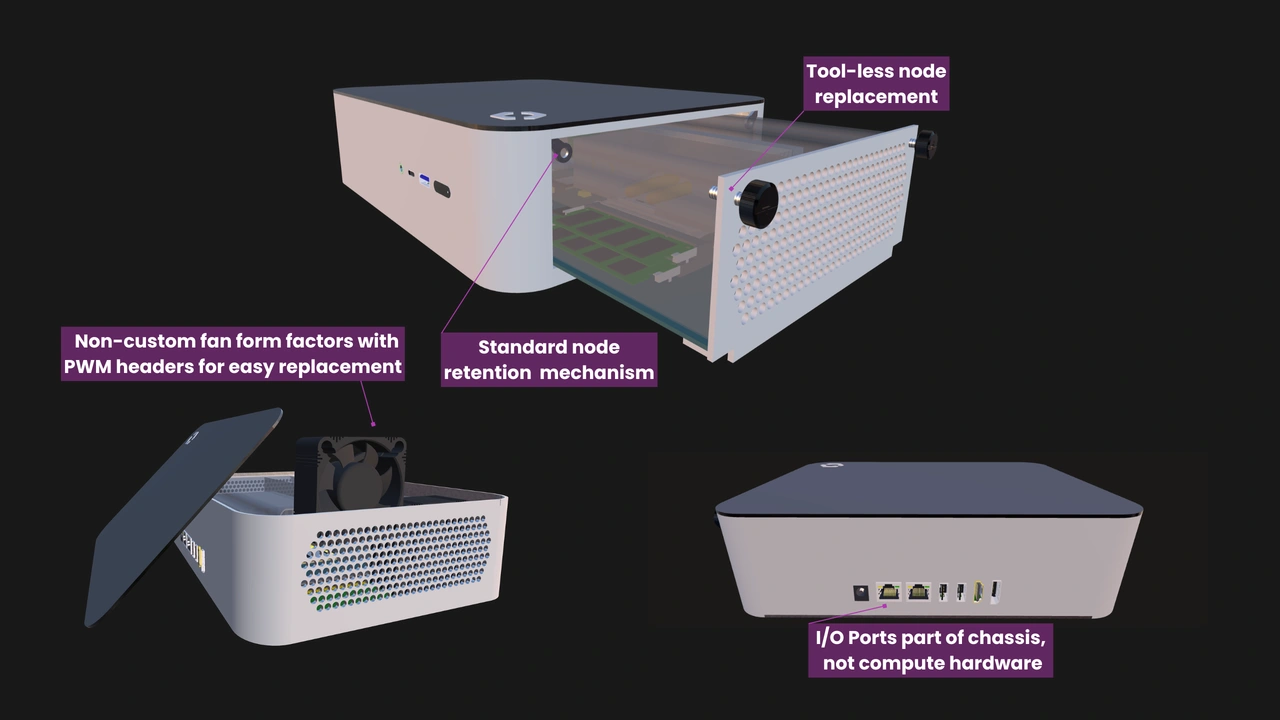
Through our specifications for interoperable, scalable, and serviceable small form factor computers, we aim to help create a world where electronic hardware is built for longevity.
With OpenSFF, manufacturers can more easily develop, test, and reuse components. Customers will have clear and modular repair and upgrade options. They will be able to balance current needs and budgets with their aspirations for growth.
Compute Nodes and Enclosures can be mixed and matched across different vendors and possibly generations. Compute Nodes originally used in enterprise systems can be easily repurposed for home use or experimental applications. Components can be swapped independently instead of replacing an entire system.
Servicing would be a default option rather than a luxury or an additional expense.
Build with OpenSFF
Computers are everywhere, but many of them are not designed to last. We are glad that governments across the globe are starting to push for sustainability in technology, but we want to spark change at the root of the issue.
OpenSFF allows vendors to create small and multi-node systems that are designed from the ground up to be serviceable. To serve multiple lifetimes and use cases. To empower users to repair, reconfigure, and reuse at scale. To reduce emissions and cut back on disposal.
We invite you to read our specifications, and to help us establish a circular product life cycle for computers by spreading the word about OpenSFF. For technical clarifications, partnerships, and other inquiries, reach out to our development team at [email protected].
Other Articles

Meet OpenSFF: an open hardware standard that enables cross-vendor compatibility, modular systems, and sustainable hardware reuse.
August 11, 2025
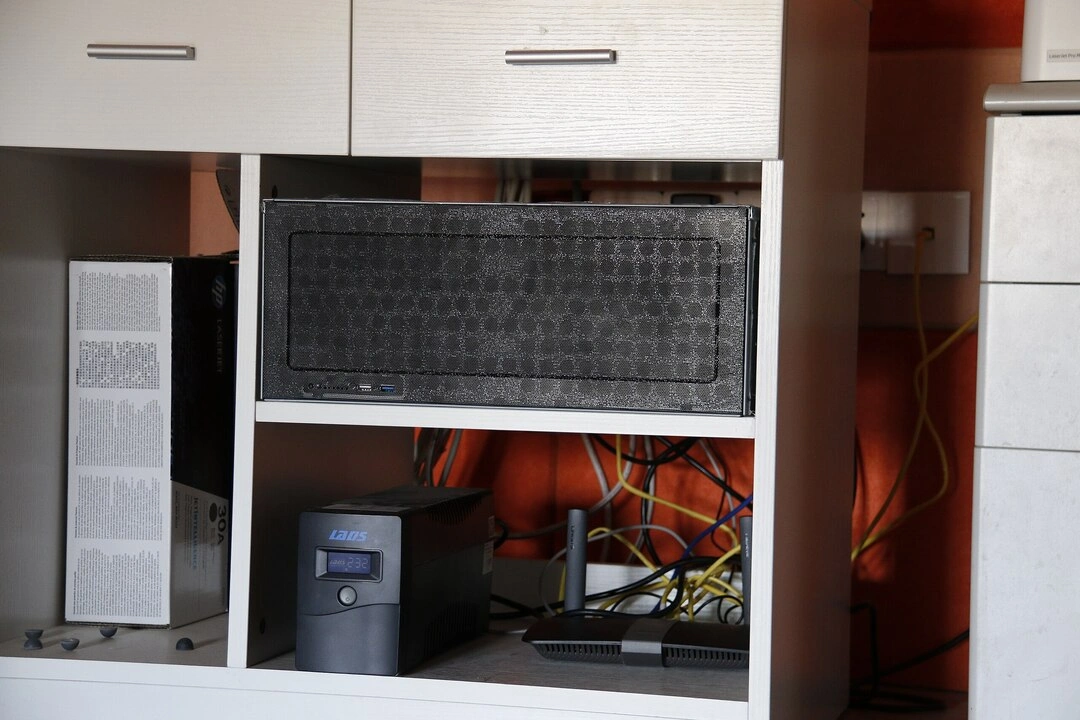
We go over the rise of virtualization and the open software adopted by home server enthusiasts, as well as the current challenges and the future of the hobby.
September 06, 2025

Learn why OpenSFF adopted the SFF-TA-1002 connector standard and how it enables our vision.
September 18, 2025